
Boeing 737-200 Advanced (732 TwinJet V4 Pro)
Media Gallery
Editorial Overview & Systems Analysis
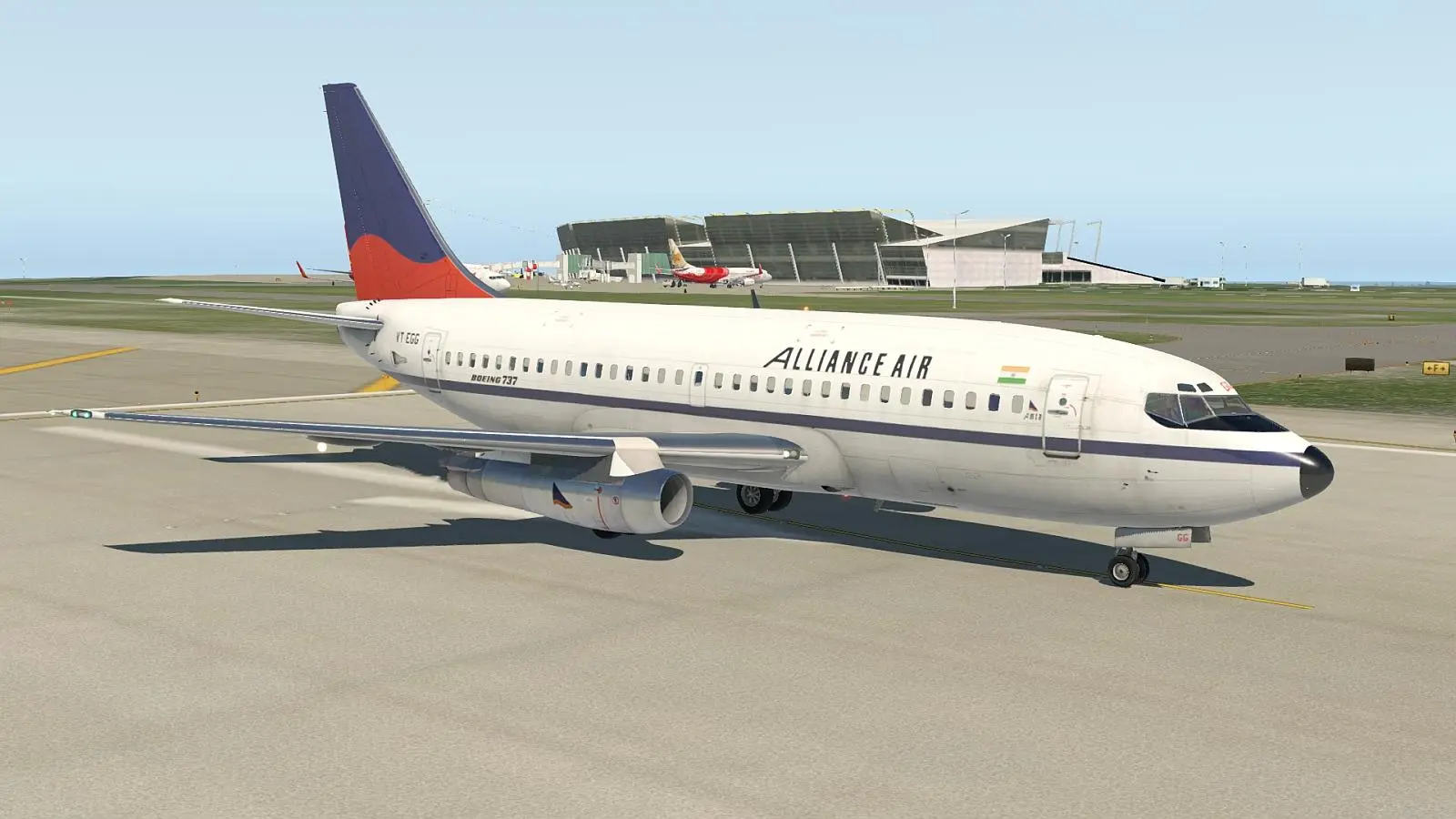
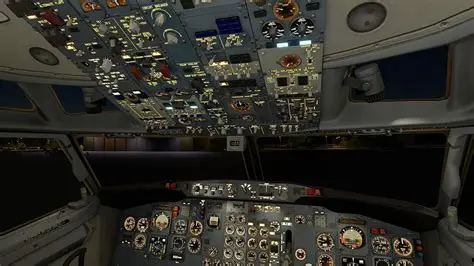
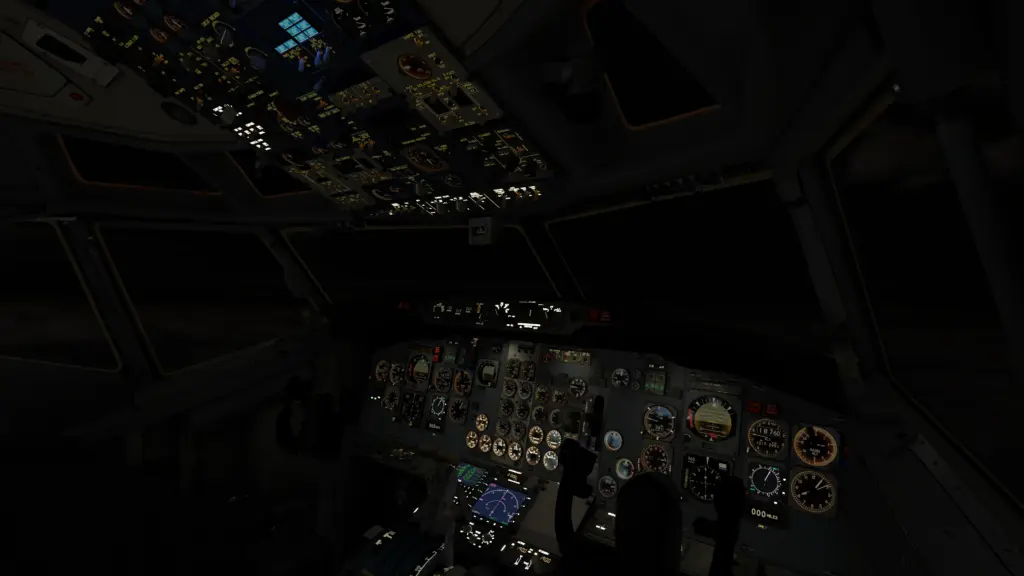
The FlyJSim 732 TwinJet V4 Pro brings the classic Boeing 737-200 Advanced into X-Plane 12 with completely rebuilt aerodynamics, overhauled systems, and an exterior and lighting rework tailored for the latest simulator engine. Powered by twin Pratt & Whitney JT8D-15A low-bypass turbofans tuned across the flight envelope, the simulation models deep mechanical engineering developed alongside former 737-200 pilots and mechanics. Hydraulic flight controls include standby modes and aerodynamic blow-down effects, pneumatic bleed systems react dynamically to altitude, ambient temperature, humidity, and wear, and every cockpit annunciator features push-to-test bulb checks. Over 300 incandescent-style cockpit lights warm up and fade organically for atmospheric night operations, complemented by a full interactive passenger cabin with operable airstairs, movable window blinds, and baggage holds.
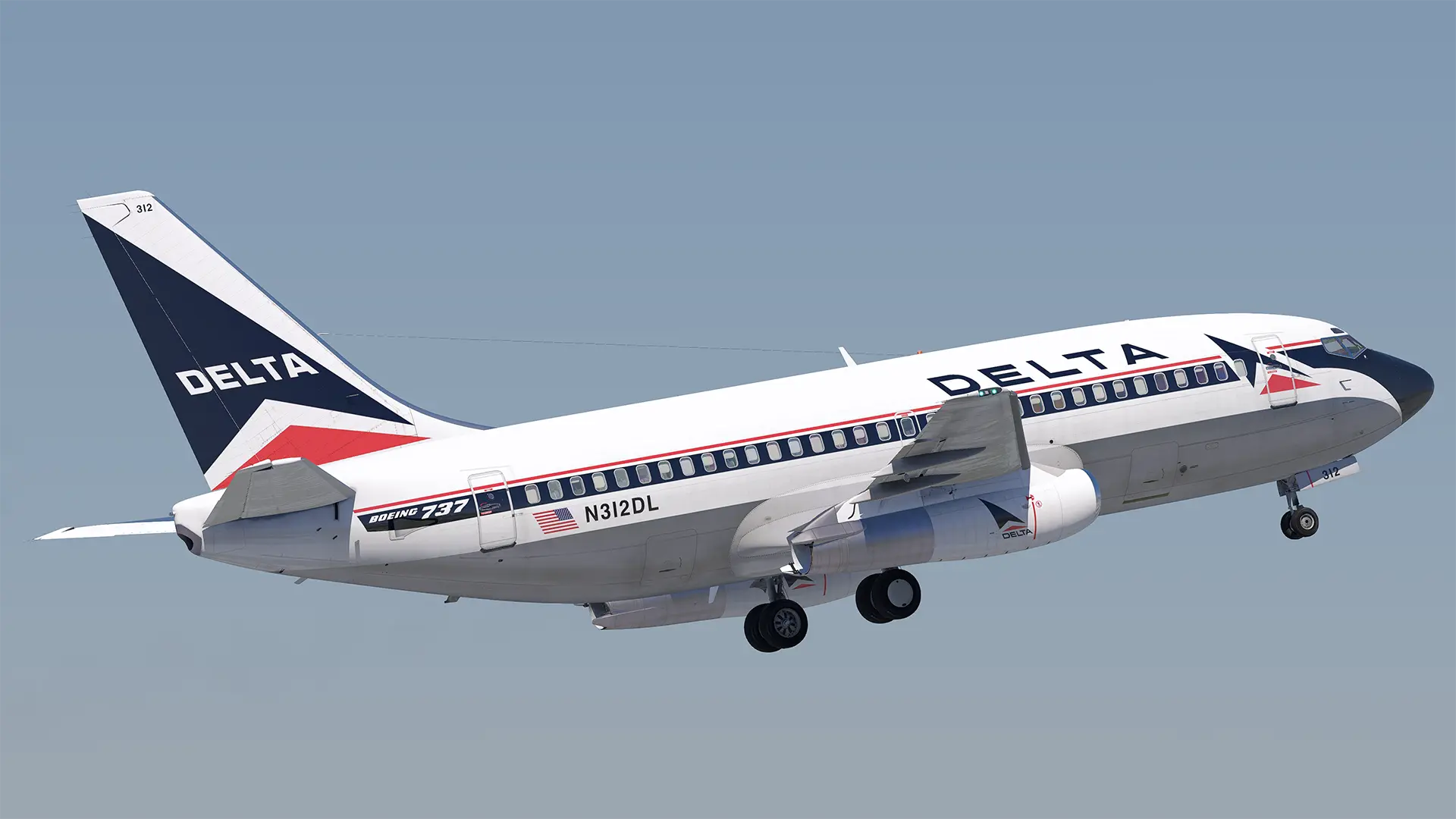
Operational management runs through the FlyJSim menu suite, offering dynamic V-speed cards, interactive door controls, phase-of-flight checklists, and an optional persistent maintenance and failure system that tracks wear on engines, generators, the APU, and the airframe across flights. Exterior customization includes a full visual and functional gravel protection kit for unimproved northern runways, nine classic airline liveries (with backward compatibility for V3 paint schemes), integrated Better Pushback ground calls, and a custom replay engine that preserves control-surface positions, gauges, and switch states after shutdown.
Avionics & Flight Deck Systems
Inside the classic steam-gauge flight deck, FlyJSim pairs authentic 1970s instrumentation with modern operational flexibility. Pilots can fly pure radio navigation using dual VOR/DME receivers and a new digital ADF panel, or engage the custom UNS-1 FMS retrofit linked directly to the MFD-640 multifunction display for moving-map routing, terrain awareness, weather radar, and full RNAV/LPV instrument procedures (with optional CIVA INS support). Autoflight is governed by a custom Sperry SP-77 autopilot featuring Control Wheel Steering (CWS) and selectable modes: Authentic mode replicates the real SP-77's turbulence-hold behavior without automatic altitude capture, while Assisted mode adds IAS hold and automatic altitude level-off. Radio realism is powered by libradio terrain masking and signal degradation, complete with mid-flight hot-swapping between classic and 8.33 kHz channel spacing and a built-in PilotEdge audio panel.
Primary Missions & Operational Roles
-
Unimproved Arctic & Gravel-Strip Operations: Equip the functional gravel kit and nose-gear deflector to operate into remote northern gravel runways in Alaska and the Canadian Arctic using the UNS-1 FMS.
-
Classic VOR-to-VOR & NDB Airway Navigation: Toggle off the FMS retrofit to fly authentic 1970s short-haul airline routes by hand-tuning VOR radials, tracking ADF needles, and managing manual thrust without an autothrottle.
-
Persistent Fleet Ownership & Failure Management: Enable persistent maintenance tracking so engine handling, bleed-air cross-starts, and high-power low-altitude operations carry real mechanical consequences across consecutive flights.
-
Online VATSIM, IVAO & PilotEdge Classic Jet Ops: Fly historic regional schedules with instant 8.33 kHz radio hot-swapping, Mode C transponder support, and built-in PilotEdge pedestal controls.
Key Highlights
- Study-Level 737-200 Systems & Persistent Maintenance: Models custom hydraulics, physical bleed air, engine fire thermodynamics, push-to-test bulbs, and progressive airframe wear across flights.
- Dual-Era Avionics (UNS-1 FMS + MFD-640 or Pure VOR-to-VOR): Fly full RNAV/LPV procedures with the custom UNS-1 FMS and MFD-640 display, or revert to classic analog VOR/ADF navigation.
- Authentic & Assisted Sperry SP-77 Autopilot Modes: Captures the quirks of the real SP-77 with CWS, while offering an optional assisted mode with IAS hold and altitude capture.
- Functional Gravel Kit & libradio Simulation: Includes a working gravel-deflector kit for remote airstrips alongside realistic radio terrain masking and hot-swappable 8.33 kHz spacing.
- Over 300 Incandescent Cockpit Lights & Custom Replay System: Features warm fading cockpit lighting, an interactive cabin with airstairs, and a custom replay engine that tracks switches and gauges.
Quirks & Limitations
- High Workload Without Modern Autothrottle or VNAV: Demands constant manual thrust management and descent planning—especially in Authentic SP-77 mode, which does not automatically level off at selected altitudes.
- Demanding 8 GB+ VRAM Hardware Requirement: High-resolution PBR textures, over 300 dynamic cockpit lights, and a fully modeled interactive cabin require at least 8 GB of video memory.
- No Direct SimBrief API Uplink: Flight plans are loaded into the UNS-1 FMS via standard .fms files rather than an integrated EFB SimBrief downloader.
Community Ratings & Feedback
Want to rate this flight deck or leave a review? Log In or Create an FSS Account to post your review.
Be the first simmer to leave a flight deck review and community score for this airframe.
Systems & Integrations
Video Showcases
Help Improve the Directory
Notice missing details, broken links, or incorrect pricing? Submit a correction to our Hangar Mods.
Suggest an Update