
de Havilland Canada DHC-2 Beaver (Thranda Design)
Media Gallery
Editorial Overview & Systems Analysis
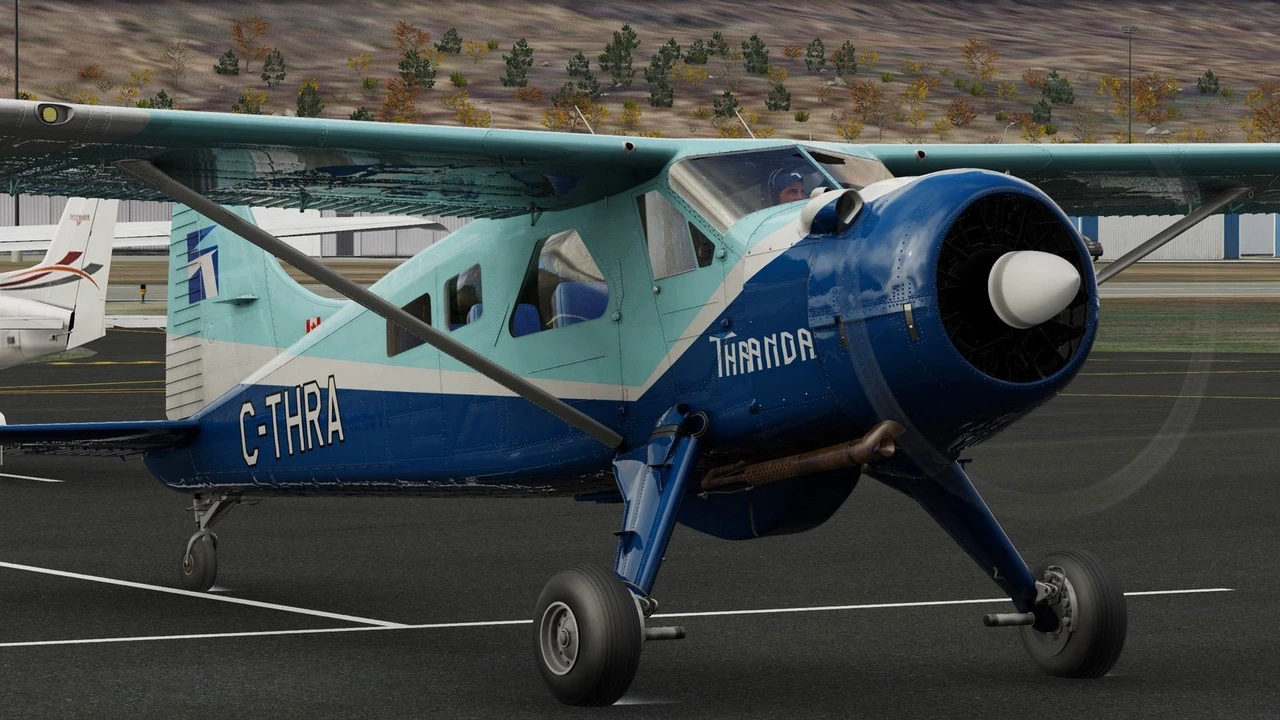
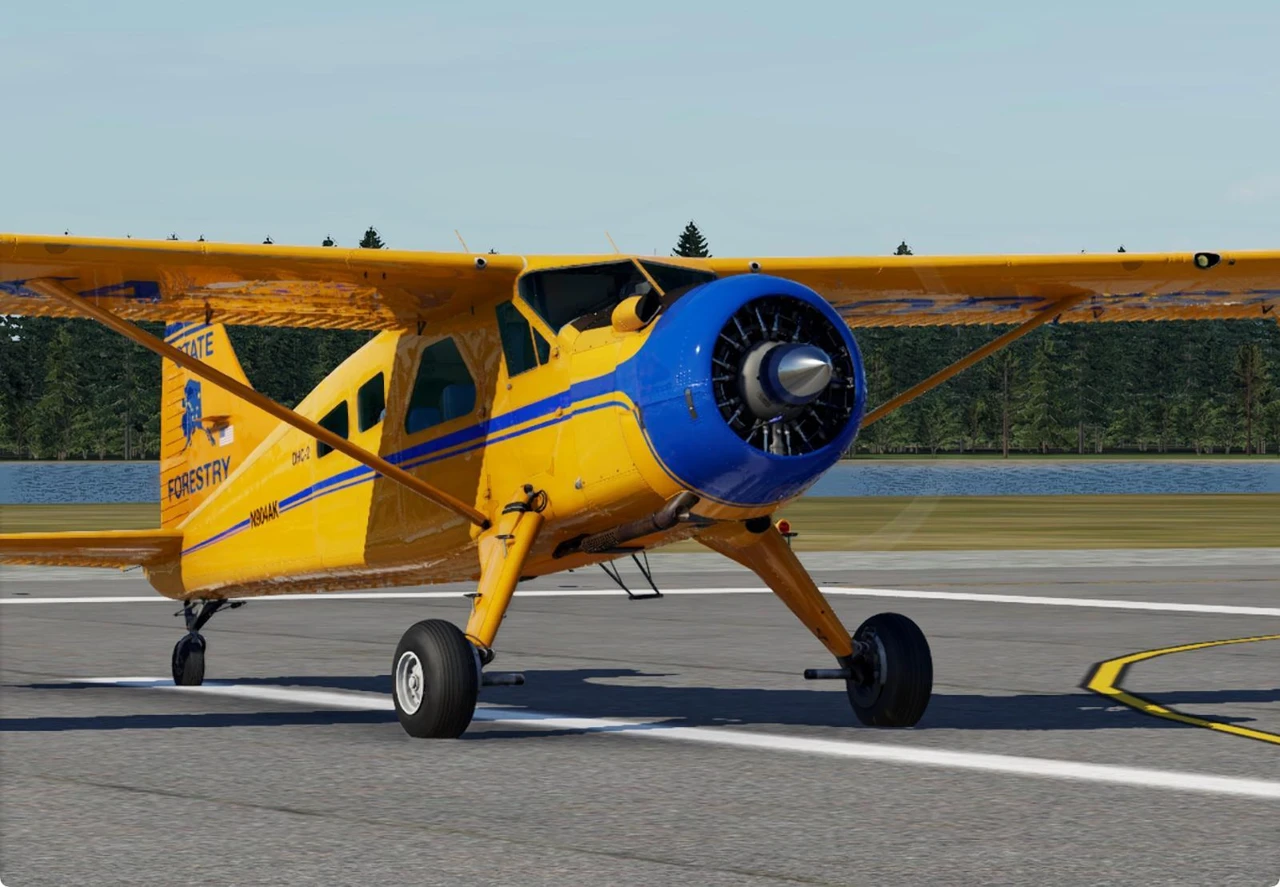
The de Havilland Canada DHC-2 Beaver (routinely cataloged across aviation history and flight simulation as the DHC-2, DHC 2, Beaver, de Havilland Beaver, L-20, or U-6A) is widely regarded as the ultimate bush plane. First flown in 1947 to conquer the Canadian wilderness, this single-engine high-wing workhorse earned a reputation for lifting immense payloads out of short forest clearings, glacial lakes, and unimproved sandbars. Thranda Design brought this airframe into X-Plane 12 under their Dynamic Generation Series (DGS). Known throughout the community as the Thranda Beaver, the add-on couples high-resolution 8K PBR texturing with modular airframe configurations.
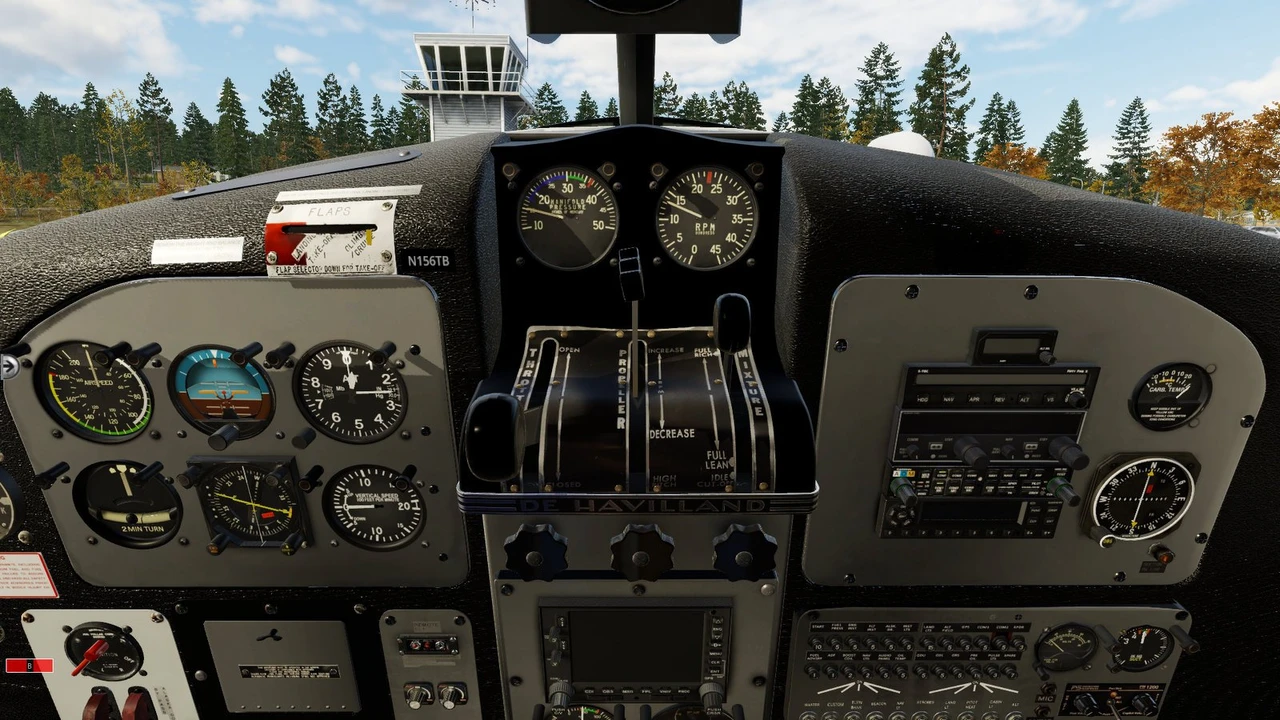
The flight deck offers substantial customization via Thranda's real-time Dynamic Panel Generation system. Simmers can configure the cockpit with period-correct round dials, install an Aspen EFD 1000 electronic flight display, or mount Garmin GNS 430 and GNS 530 GPS receivers. Up front, the nine-cylinder, 450-horsepower Pratt & Whitney R-985 Wasp Junior radial engine is simulated with functional priming limits, realistic wobble pump logic, and dynamic oil pre-heating. The package also incorporates Thranda’s real-time dirt and wear sliders, where accumulated grime visibly builds on the fuselage and introduces aerodynamic drag penalties.
In X-Plane 12, the Beaver handles with the characteristic heavy stability of an all-metal radial hauler. The flight model authentically replicates the airframe's interconnected drooping ailerons, which deploy automatically alongside the trailing-edge flaps to generate STOL lift at low airspeeds. Whether configured with standard tailwheel tires, oversized bush tundra gear, winter snow skis, or straight and amphibious floats, the aircraft delivers solid low-speed control down to 50 knots indicated airspeed.
Primary Missions & Operational Roles
-
Backcountry Bush Freight & Supply Drops: Hauling heavy cargo, fuel drums, and personnel into unimproved mountain strips, gravel bars, and remote forestry clearings.
-
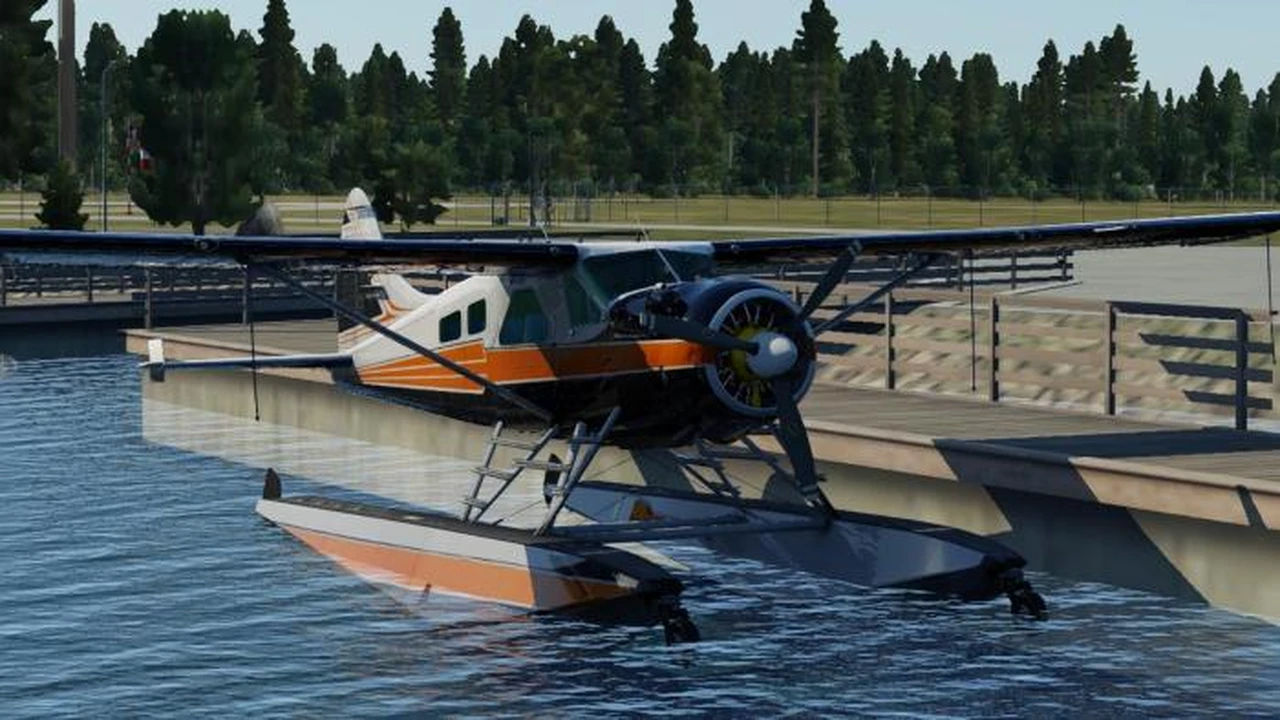
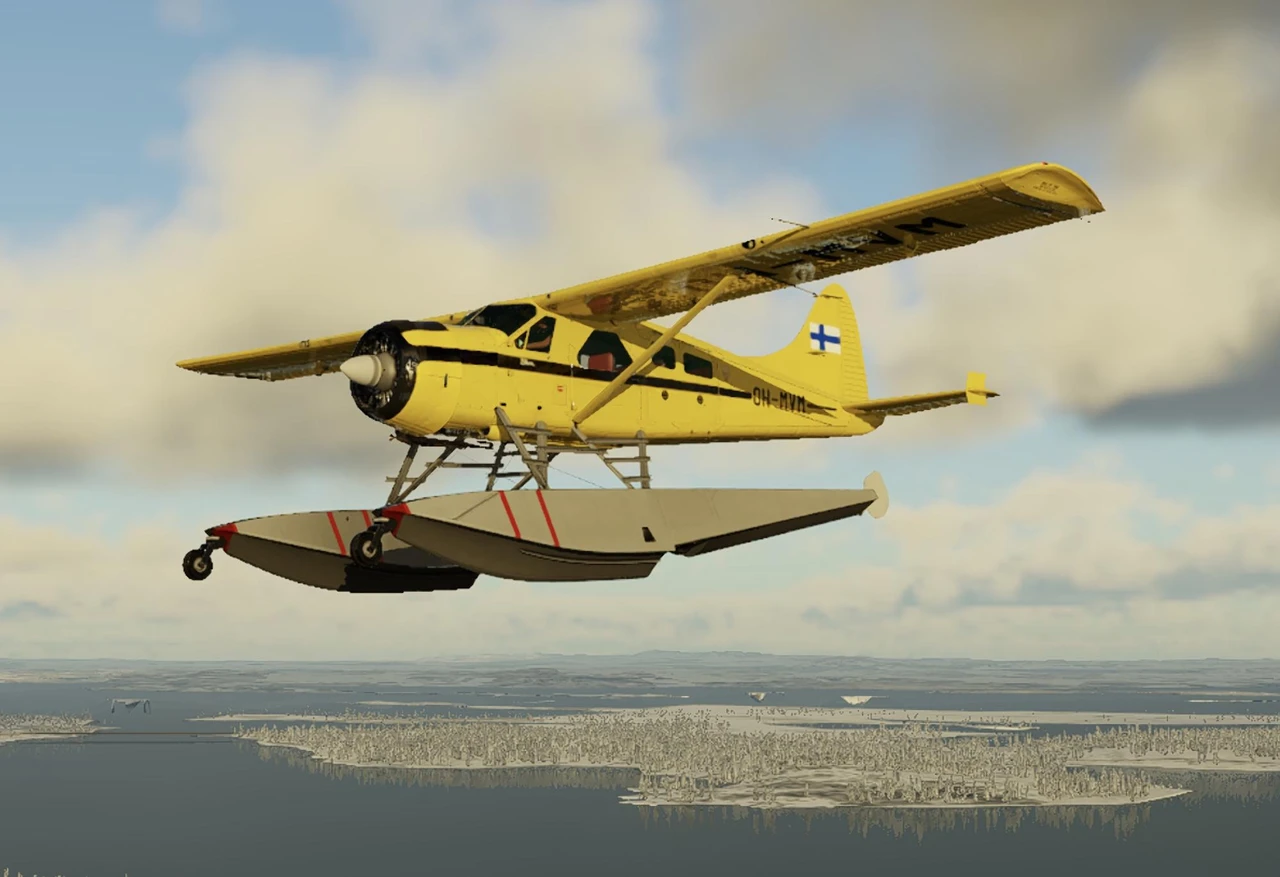
Remote Lake & Coastal Floatplane Operations: Operating straight and amphibious float variants across British Columbia, Alaska, and the Scandinavian fjords to connect off-grid fishing lodges and coastal settlements.
-
Glacial & Snowfield Ski Transport: Utilizing retractable winter ski gear to land on deep powder, frozen northern lakes, and high-altitude alpine snow fields.
-
Low-Altitude Scenic Patrol & Wildlife Survey: Flying low and slow at 95 to 110 KTAS, using large cabin windows and bubble side glass for aerial surveying, pipeline monitoring, and visual exploration.
Key Highlights
- Versatile Multi-Gear Bush Configurations: Ships with standard taildragger gear, oversized tundra tires, snow skis, straight floats, and amphibious floatplane setups.
- Modular 3D Dynamic Panel Generation: Over 50 individual instruments that can be freely dragged, swapped, and saved between vintage analog steam gauges and modern avionics.
- Acoustic Engineering & Radial FMOD2 Sound: Procedural multi-track audio modeling featuring authentic radial engine coughing, sputtering cold starts, and prop-blade slap.
- Drooping Aileron STOL Aerodynamics: Faithfully replicates interconnected flap and aileron deflection, delivering responsive low-speed elevator and roll authority.
- Cabin Customization & Interactive Tug: Allows complete removal of individual passenger seats to haul 3D cargo crates and drums, complete with a panel-controlled electric tailwheel tug for ground repositioning.
Quirks & Limitations
- Cockpit circuit breakers and secondary electrical fuses are cosmetic fixtures rather than active overcurrent devices.
- Crosswind Sensitivity on Landing Roll: The tall slab-sided fuselage and large vertical stabilizer create significant weathervaning tendencies, requiring active rudder correction in gusty crosswinds.
- Modest Cruise Speeds & Flap Drag: High parasitic airframe drag limits cruise to roughly 105 to 120 KTAS, and extending full landing flaps creates massive drag that bleeds airspeed rapidly if throttle is cut too early.
- Cockpit Night Instrument Lighting: Standard panel flood and gauge strip lighting can appear relatively dim, requiring reliance on overhead dome lights during night operations.
- High VRAM Demand with 8K Texture Layers: Full 8K PBR textures combined with custom in-sim dynamic painting and dirty overlays can increase VRAM usage on graphics cards with less than 8 GB.
Community Ratings & Feedback
Want to rate this flight deck or leave a review? Log In or Create an FSS Account to post your review.
Be the first simmer to leave a flight deck review and community score for this airframe.
Systems & Integrations
Video Showcases
Help Improve the Directory
Notice missing details, broken links, or incorrect pricing? Submit a correction to our Hangar Mods.
Suggest an Update