
Boeing 737-300 Classic Plus
Editorial Overview & Systems Analysis
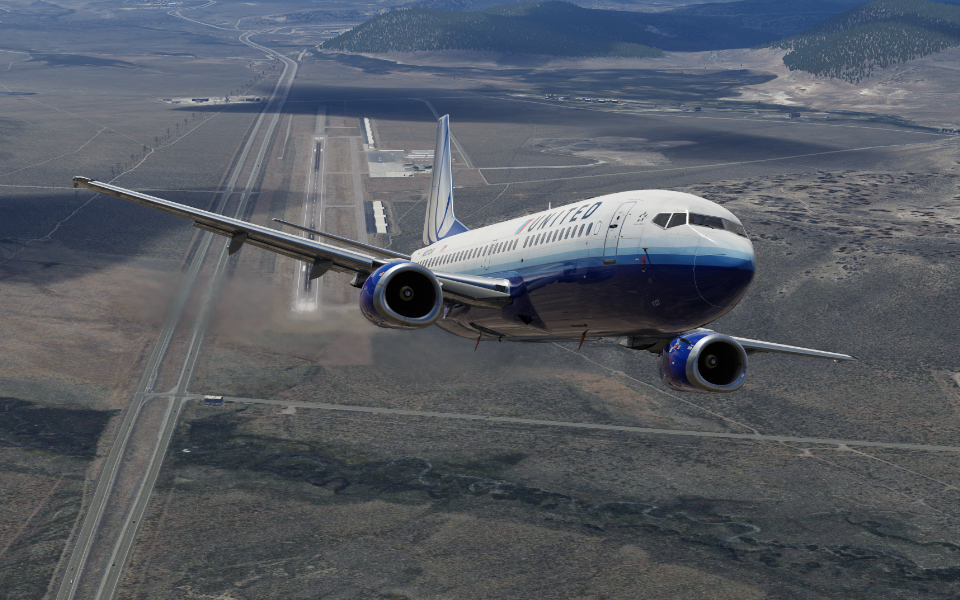
The Boeing 737-300 (known throughout airline fleets and simulation circles as the 737-300, 733, B733, 737 Classic, or Baby Boeing) represents the pivotal technological bridge between the early turbojet Jurassics and the glass-cockpit Next Generation series. Introduced in the mid-1980s with high-bypass CFM56-3 turbofans and distinctive flattened nacelle chins, the -300 modernized short-to-medium haul commercial aviation. In X-Plane 12, the International X-Plane Engineering Group (IXEG), in collaboration with publisher X-Aviation, brings this airframe to life through the Take Command!: IXEG 737 Classic Plus, delivering one of the most mechanically authentic jetliner experiences in personal simulation.
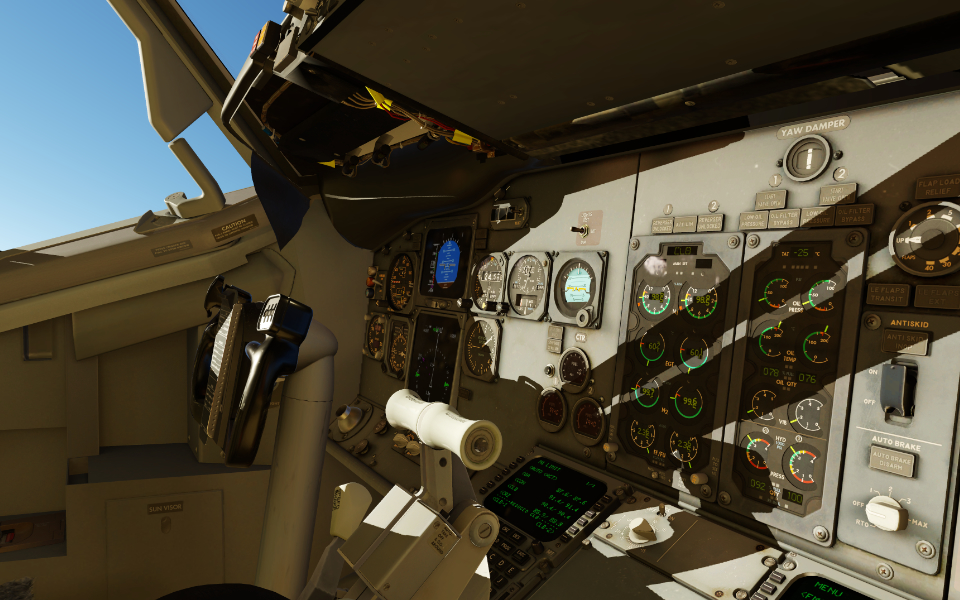
Engineered on "first principles" physics, the IXEG 737 Classic bypasses typical simulator simplifications to model genuine physical cause and effect. Systems do not merely trigger binary states; annunciator bulbs fade out slowly as incandescent filaments cool, hydraulic pressure gauges bounce during heavy pump cycling, and fuel temperatures fluctuate based on environmental heat soak. The cockpit captures the hybrid era of commercial aviation, merging primary CRT electronic flight instrument displays with electro-mechanical steam gauges for engine performance, fuel management, and cabin pressurization.
Under X-Plane 12, the aircraft benefits from updated photometric lighting, realistic wing flex, and native tire friction on wet runways. Hand-flying the 733 requires disciplined pitch-power coordination, anticipatory stabilizer trim inputs, and continuous energy awareness. From high-altitude cruise at Mach 0.745 down to manual visual approaches in gusty crosswinds, this simulation rewards pilots who appreciate manual airmanship over automated flight protections.
Primary Missions & Operational Roles
-
Short-to-Medium Haul Trunk Routes: Flying high-frequency point-to-point airline sectors across North America, Europe, and Asia, replicating classic routes flown by Southwest, Lufthansa, British Airways, and Jet2.
-
Challenging Raw-Data Visual Approaches: Hand-flying demanding circling visual maneuvers and terrain-constrained arrivals into short runways such as Innsbruck (LOWI), Ronald Reagan Washington National (KDCA), or London City (EGLC).
-
VATSIM & IVAO Network Operations: Operating comfortably in congested online airspaces by pairing pilot-flown heading select and level change modes with manual frequency management.
-
High-Yield Regional Cargo Hauls: Simulating nocturnal express feeder freight operations, taking advantage of the airframe's rapid climb capability and field length performance.
Key Highlights
- Exceptional Hand-Flying Flight Dynamics: Co-developed and calibrated by real-world 737 captain Jan Vogel, delivering authentic control feedback, accurate ground effect, and responsive flare characteristics.
- First-Principles Mechanical & Electrical Simulation: Dynamic physics modeling where buses, pumps, valves, and gauges react with realistic inertia, electrical resistance, and pressure decay.
- Deep Smiths Legacy FMC Emulation: Comprehensive replication of period-correct FMC functions, including true-to-life VNAV descent calculations, holding logic, and scratchpad performance advisories.
- Bespoke Acoustic Atmosphere: Distinctive CFM56-3 engine buzzsaw during takeoff, clacking stabilizer trim wheels, rushing air conditioning packs, and authentic cockpit relay clicks.
- Native XP12 Visual Enhancements: Full high-resolution PBR texturing, rain-streaked windshields with active wiper clearing, and volumetric cockpit lighting.
Quirks & Limitations
- Pronounced Pitch-Power Coupling: Underslung CFM56 engines produce substantial nose-up pitching moments when adding go-around thrust and steep nose-down moments when pulling to idle, demanding immediate manual trim compensation.
- No Built-In Tablet or Automated SimBrief Uplink: Lacks a 3D EFB tablet or automatic ACARS route uplink; pilots must manually calculate performance cards and type waypoints into the scratchpad.
- VNAV Path Sensitivity During STAR Revisions: Significant route changes, direct-to modifications, or speed restrictions entered late in the descent can trip the VNAV computer, requiring reversion to Level Change or Vertical Speed modes.
- Gizmo64 DRM Background Dependency: The aircraft requires the X-Aviation Gizmo64 plugin to run, necessitating an active internet connection for initial license activation and machine validation.
Community Ratings & Feedback
Want to rate this flight deck or leave a review? Log In or Create an FSS Account to post your review.
Be the first simmer to leave a flight deck review and community score for this airframe.
Purchase & Download
X-Aviation StoreSystems & Integrations
Video Showcases
Help Improve the Directory
Notice missing details, broken links, or incorrect pricing? Submit a correction to our Hangar Mods.
Suggest an Update