
McDonnell Douglas F-4 Phantom II
Editorial Overview & Systems Analysis
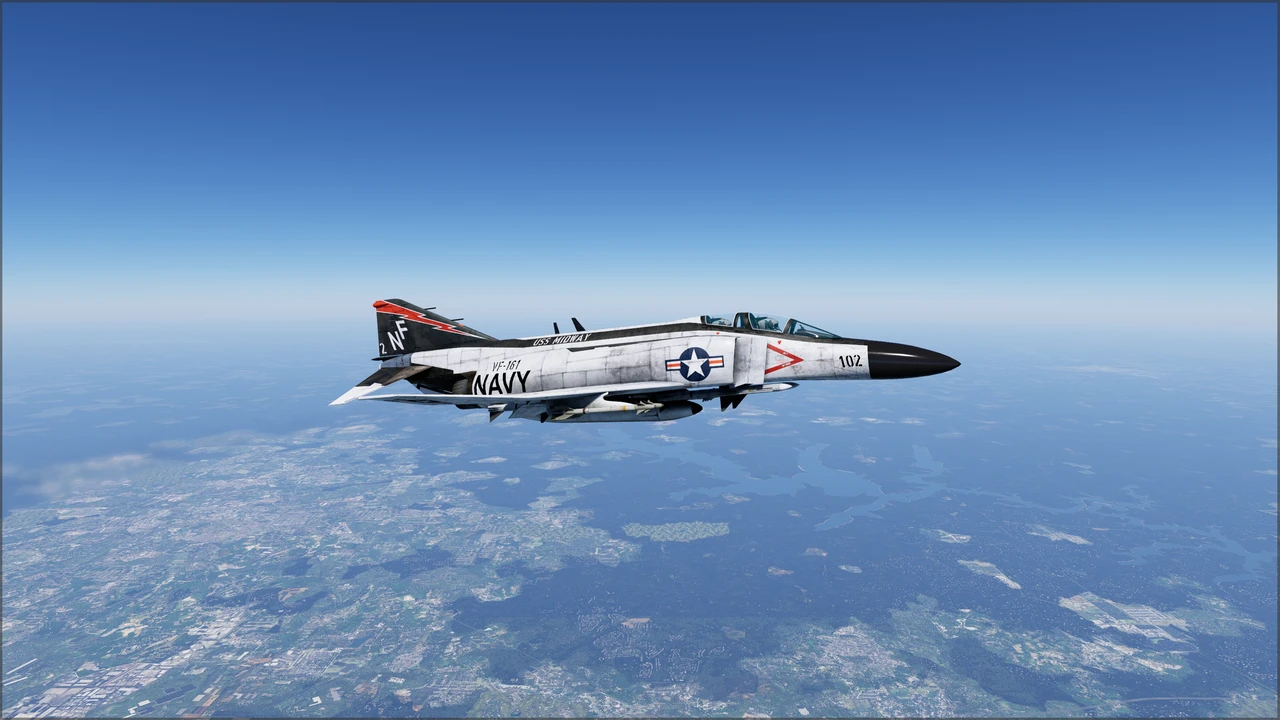
The McDonnell Douglas F-4 Phantom II (widely cataloged across aviation history as the F-4, F4, F-4B, F-4C, F-4D, and F-4E) stands as one of the most iconic supersonic interceptors and tactical fighter-bombers of the Cold War era. Affectionately known by aircrews and ground teams as the "Rhino," "Double Ugly," and the "Lead Sled," this heavy twin-engine jet proved that raw power could overcome aerodynamic compromise. Designed initially for the United States Navy as an all-weather fleet air defense fighter, the Phantom subsequently entered frontline combat with the U.S. Air Force, Marine Corps, and a dozen international armed forces. Laminar Research includes the airframe natively in X-Plane 12, allowing flight simmers to experience Mach 2 speed runs and classic analog carrier traps right out of the box.
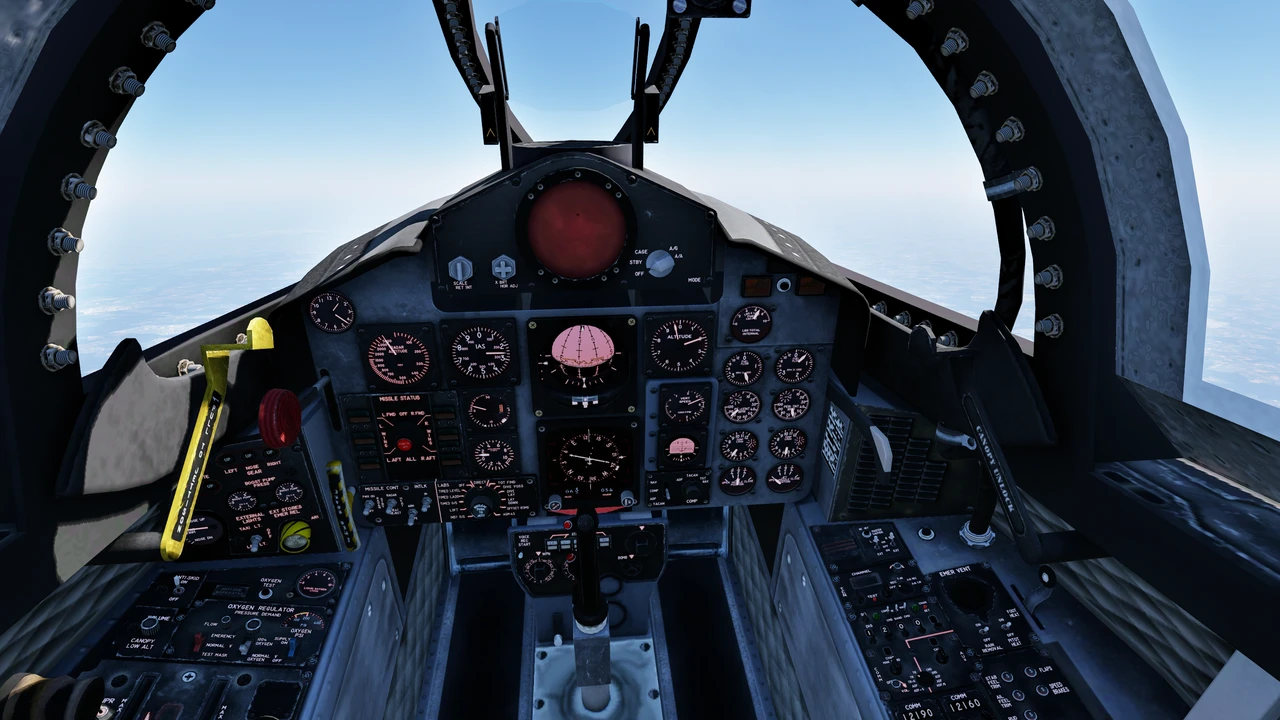
The cockpit layout reflects the intense, high-workload environment of 1960s tactical aviation, completely free of glass multifunction displays and automated flight envelope protections. Laminar's recreation provides a 3D analog environment with primary flight instruments, engine status gauges for the dual General Electric J79 turbojets, fuel sequencing monitors, and a functional weapons arming console. Navigation relies on basic TACAN and VOR receivers, requiring authentic radial tracking and visual dead reckoning. Because the flight model is unassisted by fly-by-wire computers, the aircraft demands disciplined angle-of-attack management to avoid sudden high-speed stalls or departed flight regimes.
In X-Plane 12, the F-4 Phantom highlights the simulator's updated flight dynamics, transonic drag modeling, and atmospheric lighting. With twin afterburners engaged, the aircraft accelerates past Mach 2 with exceptional vertical climb rates. At the lower end of the speed envelope, however, the heavy 45-degree swept wings and anhedral tailplane demand firm throttle coordination to arrest high sink rates on final approach. Whether conducting carrier launches, flying close-trail formation, or performing low-level tactical navigation, this aircraft delivers an unvarnished hands-on experience of classic military jet operations.
Primary Missions & Operational Roles
-
Fleet Air Defense (FAD) & Carrier Interception: Conducting catapult launches from naval carriers, scrambling to high altitude at Mach 2, and intercepting simulated targets before flying recovery patterns.
-
Low-Altitude Supersonic Strike & Interdiction: Running terrain-following ingress profiles at 450 to 500 knots indicated airspeed to practice high-speed navigation and simulated weapons delivery.
-
Carrier Traps & Deck Landing Practice: Mastering arrested 3-wire carrier landings aboard naval flattops at 135 to 145 knots with high sink rates and critical angle-of-attack control.
-
Tactical Formation & Dogfight Energy Maneuvering: Practicing close-formation maneuvers and basic fighter tactics against AI aircraft while carefully managing energy bleed in sustained high-g turns.
Key Highlights
- Blistering Mach 2 Performance: Twin afterburning J79 turbojet engines provide authentic supersonic dash speeds and dramatic vertical climb capability.
- Native Aircraft Carrier Compatibility: Equipped with a functional arresting hook, launch bar, and tail bumper for complete catapult and arrested recovery operations.
- Built-In XP12 Visual Effects: Takes full advantage of native photometric cockpit lighting, windshield precipitation, and atmospheric vapor effects.
- Accessible Core Simulator Integration: Included at zero additional cost within the standard X-Plane 12 installation, providing immediate twin-jet military capability.
- Active Community Upgrade Base: Strong modding support on the X-Plane.org forums brings enhanced 4K PBR liveries, cockpit canopy mesh revisions, and working TACAN radio upgrades.
Quirks & Limitations
- Adverse Yaw and High-AOA Wing Stall: Rolling with ailerons at high angles of attack causes adverse yaw and dangerous roll reversal; steep turns require heavy rudder pedal application rather than stick deflection alone.
- Severe Fuel Burn in Full Afterburner: Stage-5 reheat consumes internal fuel reserves rapidly, severely limiting tactical range unless external drop tanks are fitted and managed.
- Simplified Military Avionics Suite: Lacks study-level airborne radar tracking, target acquisition modes, and detailed weapon release computers seen in dedicated combat simulators.
- Directory Placement in Extra Aircraft: Often categorized in the simulator's "Extra Aircraft" sub-folder, requiring users to ensure default and older airframe filters are enabled to view the model in the menu.
Community Ratings & Feedback
Want to rate this flight deck or leave a review? Log In or Create an FSS Account to post your review.
Be the first simmer to leave a flight deck review and community score for this airframe.
Systems & Integrations
Video Showcases
Help Improve the Directory
Notice missing details, broken links, or incorrect pricing? Submit a correction to our Hangar Mods.
Suggest an Update