
Wilga PZL 104
Media Gallery
Editorial Overview & Systems Analysis
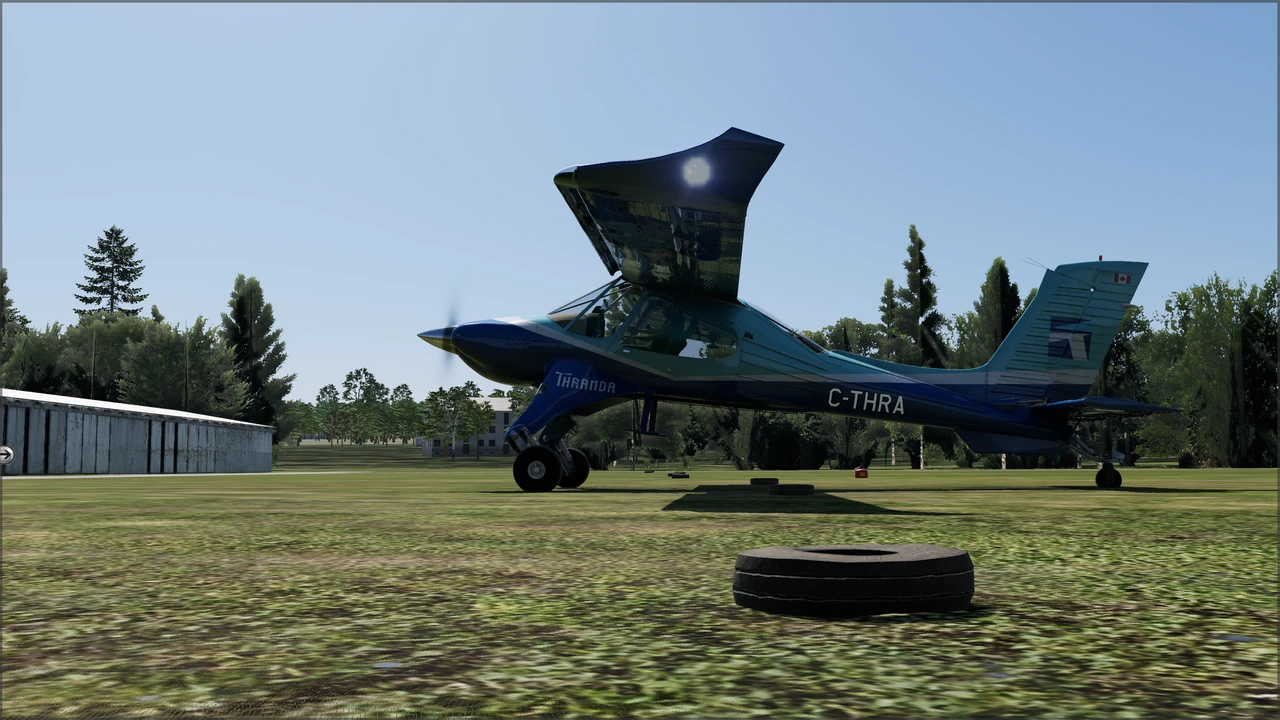
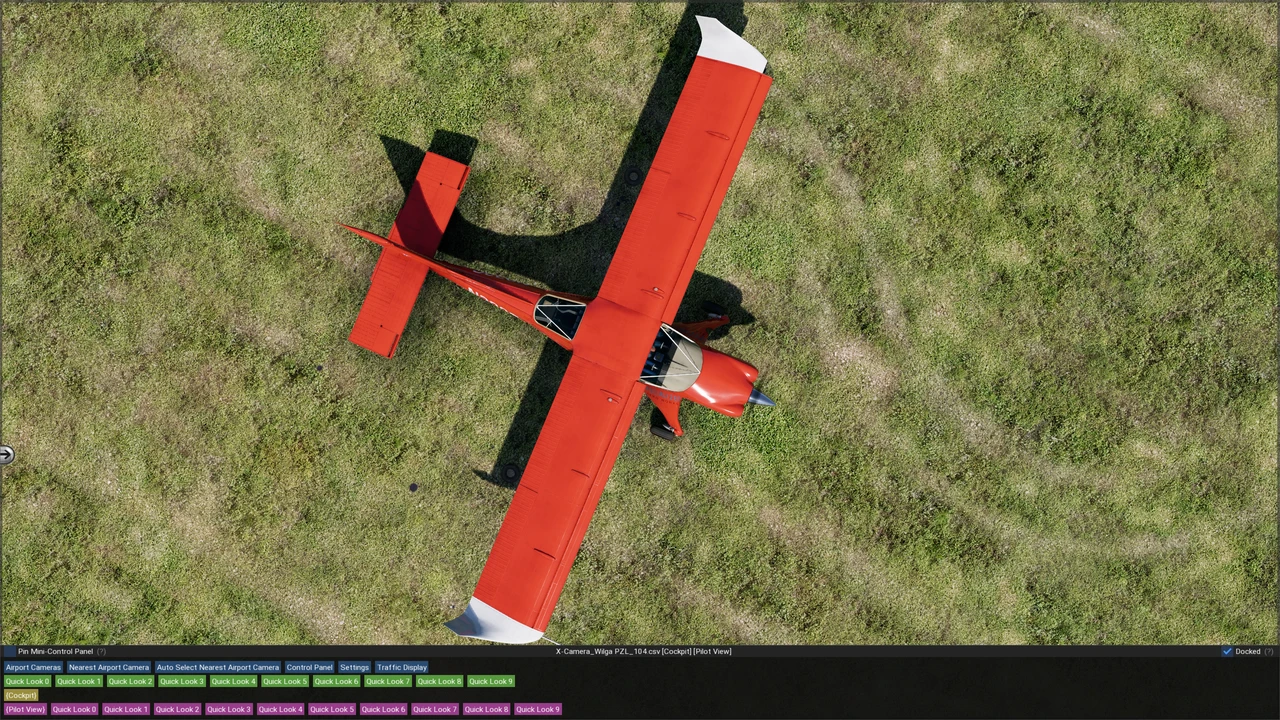
The PZL-104 Wilga (frequently cataloged as the PZL 104, Wilga 35A, Wilga 80, or modern Wilga 2000) is one of the most unmistakable utility aircraft in aviation history. Originally developed in Poland by PZL Warszawa-Okecie, this eccentric STOL bush workhorse achieved legendary status throughout Eastern Europe and global backcountry hubs as an agile towing platform, search-and-rescue spotter, and rugged parachute drop plane. Thranda Design has recreated this iconic airframe for X-Plane 12 under their Dynamic Generation Series (DGS). Widely referred to by simmers as the Thranda Wilga, the add-on captures the airframe's insect-like greenhouse cockpit, spindly long-stroke trailing-link landing gear, and heavy high-lift wing profile with exceptional detail.
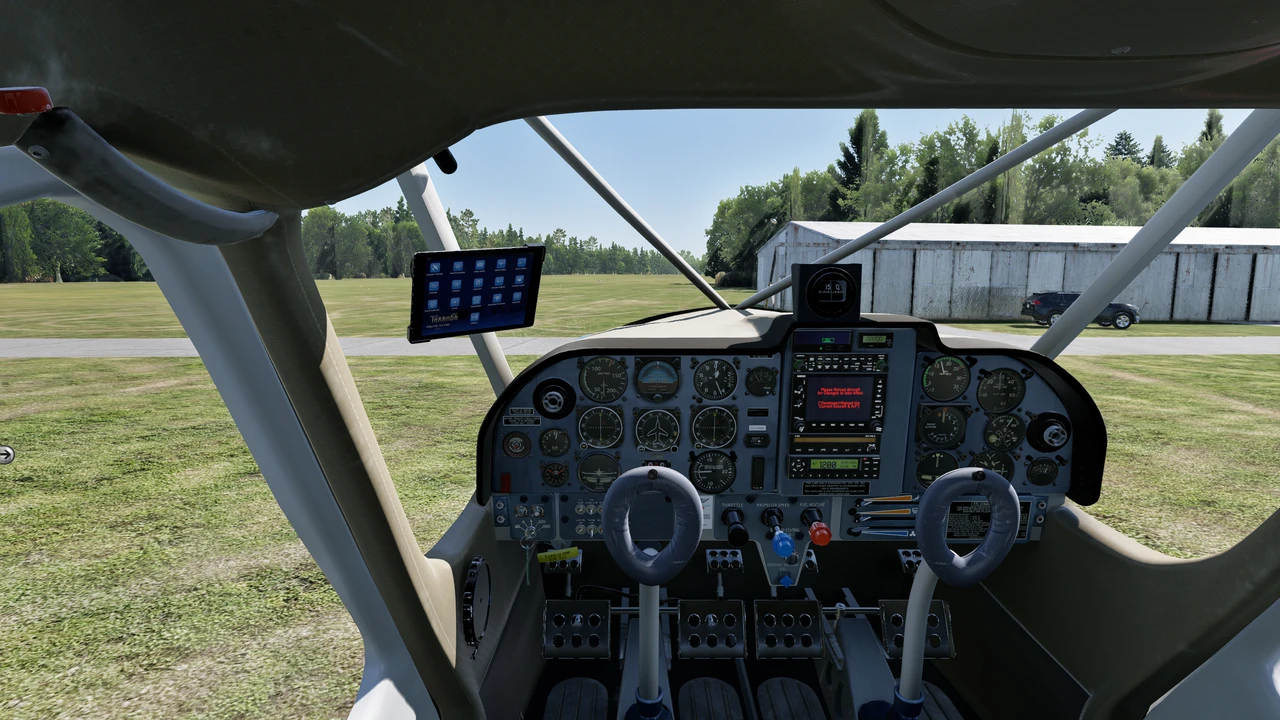
Inside the flight deck, Thranda blends utilitarian aesthetics with modern modular convenience. Cockpit instruments can be configured on the fly via Thranda's proprietary Dynamic Panel Generator. Pilots can switch between traditional Eastern European and Western analogue gauges, install dual Garmin GNS 430 and GNS 530 GPS units, or drop in a modern G1000 glass panel without leaving the simulator or reloading the aircraft. Deep systems modeling governs fuel distribution, engine thermal limits, electrical loads, and pneumatic systems. The package also features dynamic dirt accumulation that visibly builds up on the airframe and progressively introduces realistic aerodynamic drag penalties.
Under X-Plane 12, the flight dynamics leverage native photometric lighting, seasonal snow integration, and the revised atmospheric flight model alongside Thranda's custom DynaFeel control modeling. Equipped with fixed leading-edge slats and interconnected drooping ailerons that deploy alongside the trailing-edge flaps, the Wilga exhibits docile low-speed manners down to 50 knots indicated airspeed. Whether fitted with standard tailwheel gear, tundra tires, winter skis, or amphibious floats, the aircraft delivers remarkable short-field authority on remote riverbeds, mountain clearings, and lake strips.
Primary Missions & Operational Roles
-
Backcountry Bush Exploration & Off-Airport Landings: Navigating demanding mountain strips, sandbars, and unimproved clearings where long-stroke trailing-link suspension, optional tundra tires, and extreme STOL short-field capabilities are critical.
-
Glider Towing & Aeroclub Flight Operations: Fulfilling the primary historic role of the PZL-104 Wilga 35A across European airfields, using high-thrust climb performance to tow sailplanes out of tight turf strips.
-
Amphibious Touring & Waterborne Operations: Utilizing the included amphibious floatplane variant for lake-hopping, river freight, and coastal exploring across remote regions in Alaska, Canada, and Scandinavia.
-
Slow-Flight Aerial Survey & Observation: Taking full advantage of the panoramic glass doors and wide cabin visibility for low-altitude forestry patrol, wildlife monitoring, and VFR flight inspection at 70 to 85 knots.
Key Highlights
- Aerodynamic Authenticity & DynaFeel Simulation: Fixed leading-edge slats and drooping ailerons work together to deliver realistic slow-speed authority, predictable stalls, and exceptional STOL performance down to 50 knots.
- Modular 3D Dynamic Panel Generation: Full real-time cockpit flexibility allowing pilots to position, drag, and swap individual instruments between classic round steam dials, Garmin GNS units, and full G1000 avionics.
- Versatile Multigear Bush Configurations: Includes standard wheeled taildragger, oversized tundra tires, snow skis, and fully functional amphibious floats with animated gear-selector hardware.
- Dynamic In-Sim Livery & Weathering System: Real-time livery painting tool and variable dirt layer slider where visual grime physically impacts aircraft drag and cruise efficiency.
- Rich FMOD2 Sound Modeling: Immersive acoustic experience featuring distinctive radial/piston engine rumble, prop blade slap, airframe wind noise influenced by angle of attack, and engine cooling ticks upon shutdown.
Quirks & Limitations
- High Parasitic Drag & Modest Cruise Pace: True to the real airframe's heavy STOL configuration, cruise speeds top out around 95 to 105 KTAS, and deploying full flaps creates sudden, aggressive drag that bleeds airspeed rapidly on short final.
- Demanding Taildragger Ground Handling: The narrow track width, high center of gravity, and responsive rudder require steady pedal coordination and stick-back technique during taxi and landing rollouts to prevent ground loops.
- Autopilot Master Disconnect Clickspot Omission: The simplified autopilot module requires an assigned simulator key or hardware throttle button to disengage cleanly, as it lacks a dedicated visual yolk disconnect switch.
- Hardware VRAM Usage on High Details: Utilizing real-time dynamic panel adjustments alongside multi-screen glass avionics and full 4K PBR textures can increase VRAM demands on entry-level graphics hardware.
Community Ratings & Feedback
Want to rate this flight deck or leave a review? Log In or Create an FSS Account to post your review.
Be the first simmer to leave a flight deck review and community score for this airframe.
Purchase & Download
X-Plane.org storeSystems & Integrations
Video Showcases
Help Improve the Directory
Notice missing details, broken links, or incorrect pricing? Submit a correction to our Hangar Mods.
Suggest an Update