
Lancair Evolution
Media Gallery
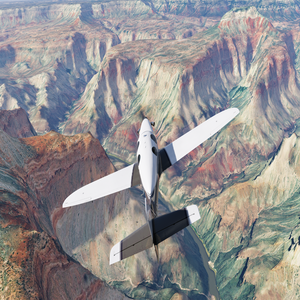
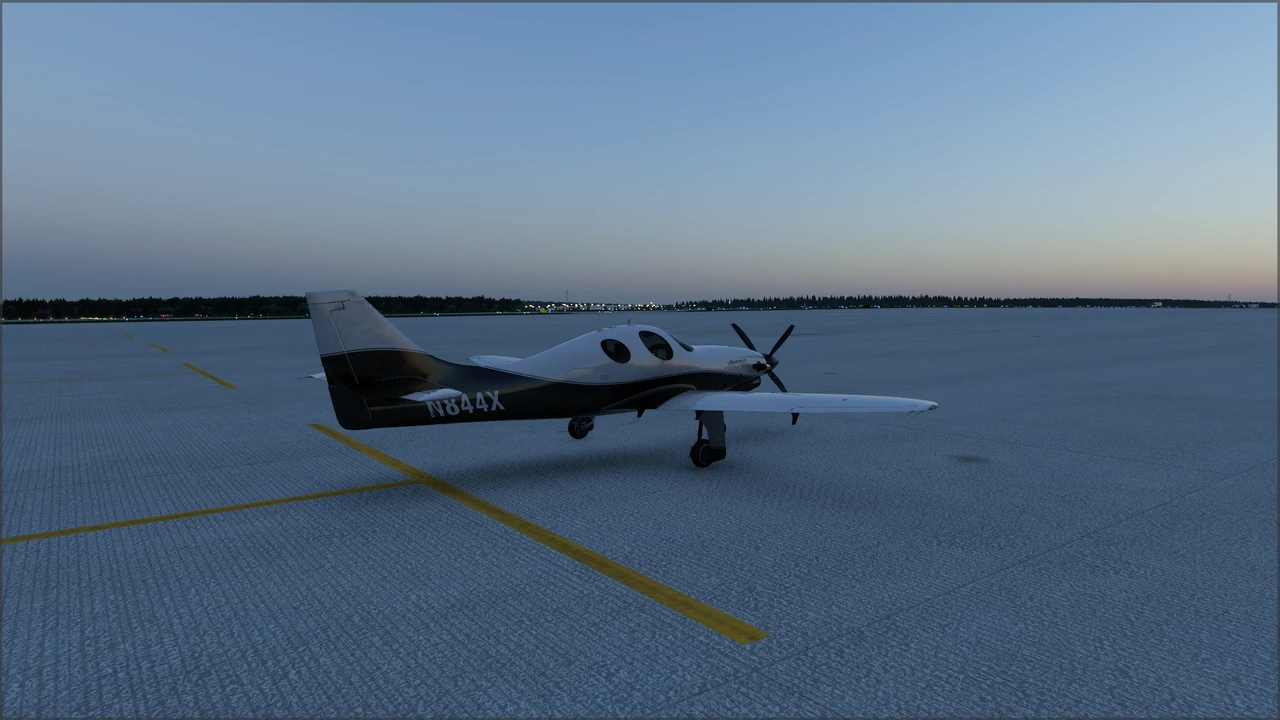
Editorial Overview & Systems Analysis
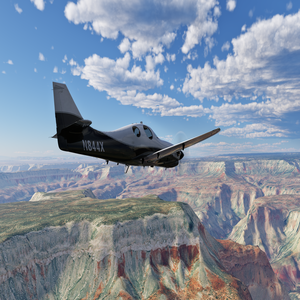
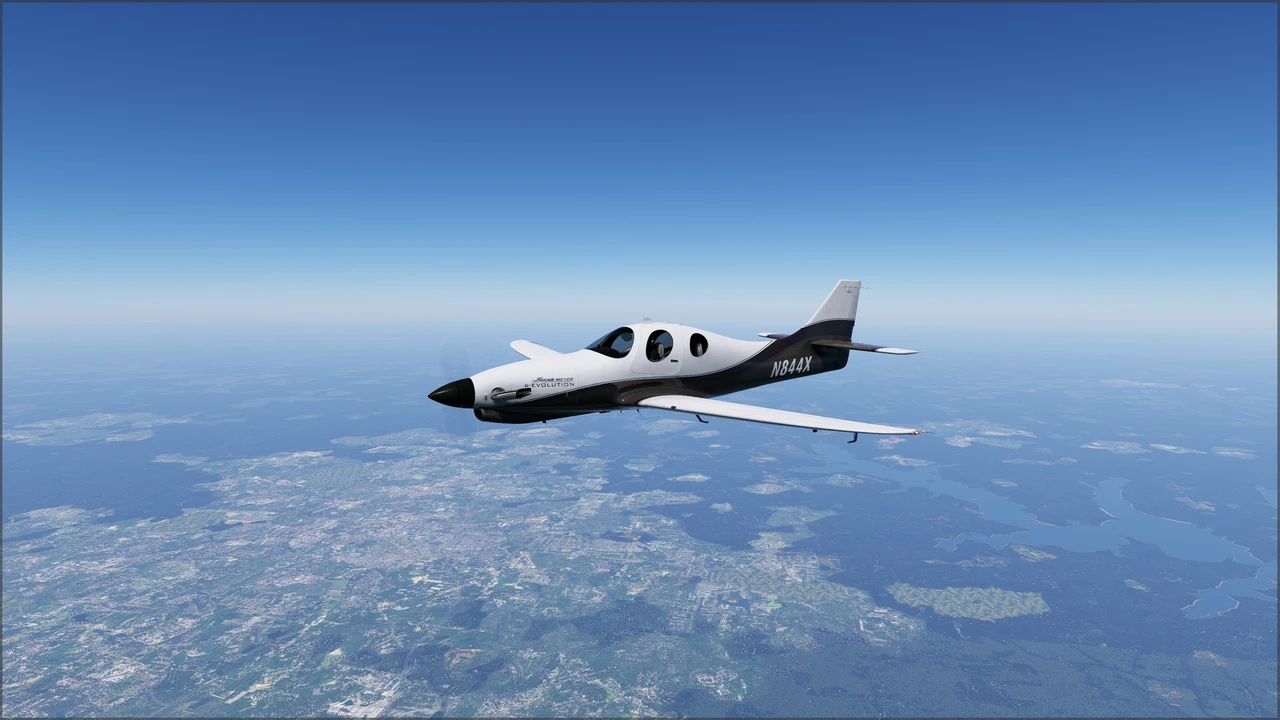
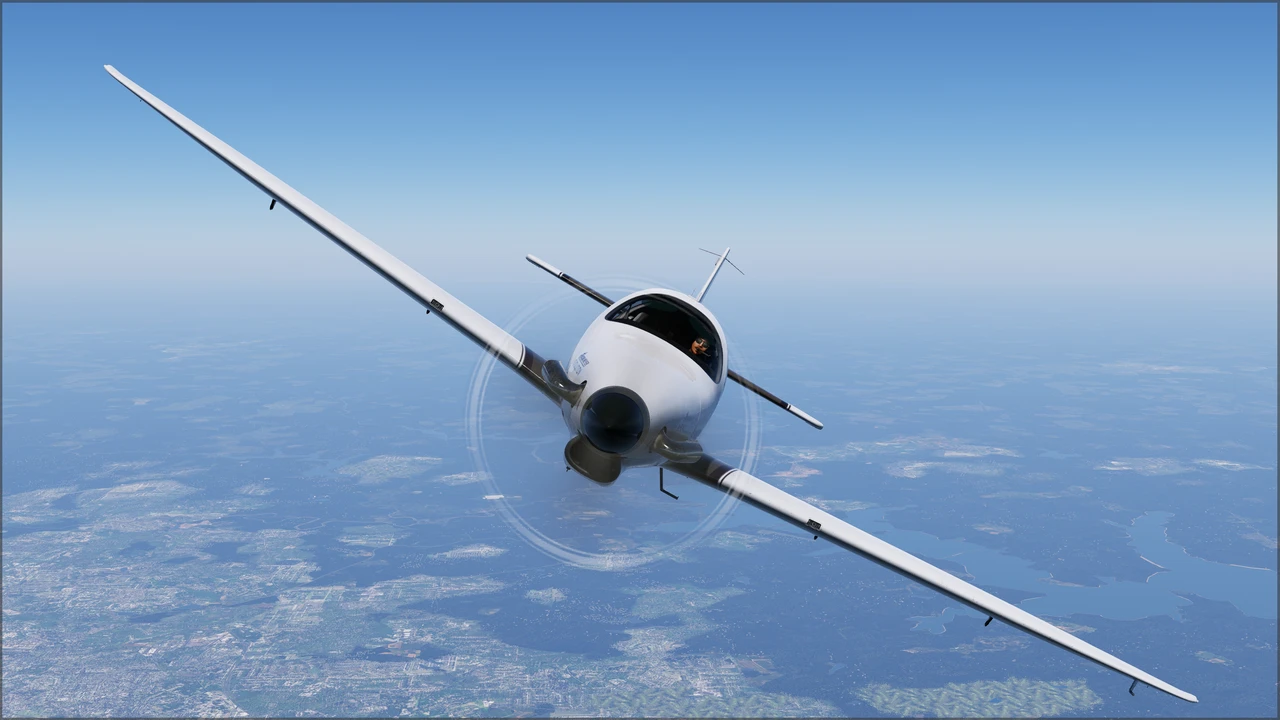
The Lancair Evolution holds a uniquely intimate pedigree within the X-Plane ecosystem: it is the direct digital twin of the real-world aircraft owned, flight-tested, and flown across North America by Laminar Research founder Austin Meyer (tail number N844X). Constructed in reality from pressurized carbon-fiber composite materials and powered by a Pratt & Whitney Canada PT6A-135A turboprop generating 750 shaft horsepower, the Evolution represents the absolute zenith of experimental amateur-built (E-AB) performance. Cruising at true airspeeds exceeding 300 knots up to its certified ceiling of 28,000 feet (FL280), the aircraft routinely outpaces multi-engine production turboprops while carrying four occupants in air-conditioned, pressurized comfort. In X-Plane 12, Laminar rebuilt the aircraft as a brand-new native flagship designed to showcase the simulator’s core physics engine under high torque, volumetric weather interactions, and photometric flight deck backlighting.
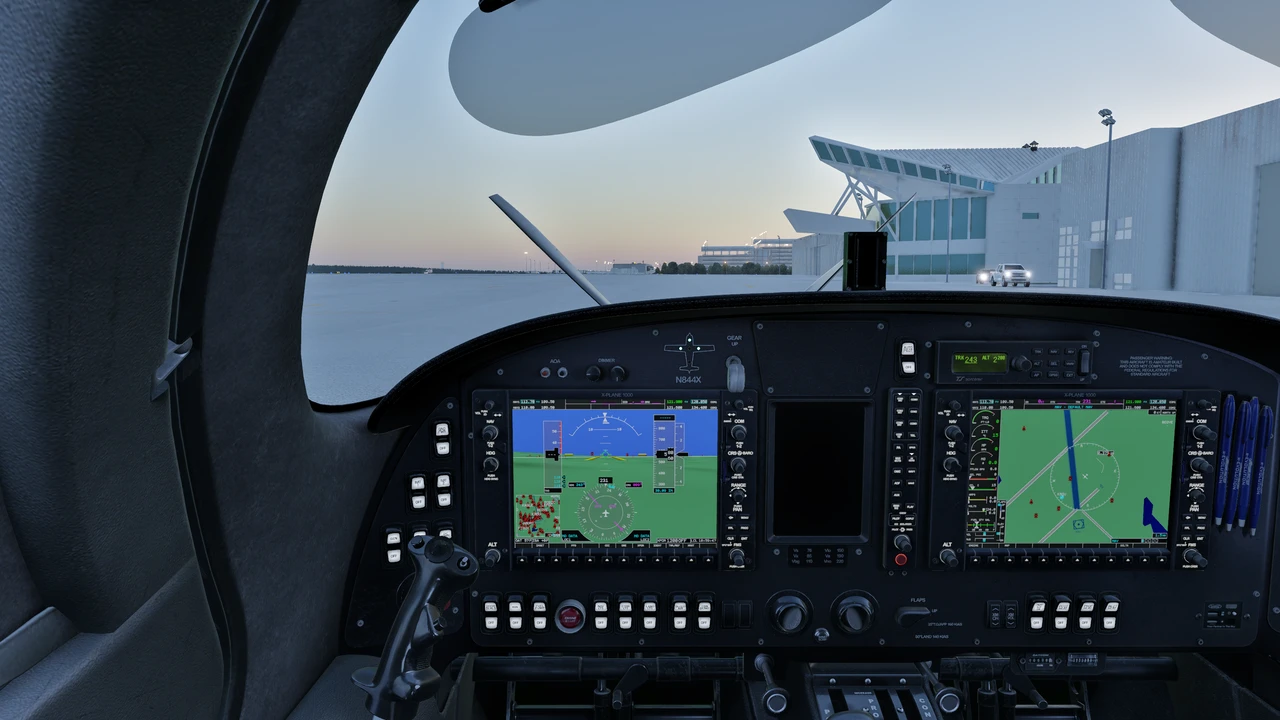
On the flight deck, the Evolution pairs experimental high performance with clean, ergonomic glass automation. The panel centers around a dual-screen Laminar Garmin G1000 suite configured with custom turbine Engine Indication System (EIS) displays—including real-time Torque, Interstage Turbine Temperature (ITT), gas generator speed ($N_g$), and propeller RPM. Because Austin Meyer spent hundreds of hours validating this exact flight model against his own aircraft’s real-world telemetry, the flight dynamics are remarkably crisp and authentic. It flies like a true high-altitude rocket ship: initial climb rates easily exceed 3,500 to 4,000 feet per minute at normal gross weights, while level-flight acceleration requires attentive throttle governance to avoid blowing through airframe speed limits. While it purposefully avoids the component-level spark plug fouling, oil contamination, and cascading breakdown logic of boutique payware developers like Hot Start or Airfoillabs, its first-party aerodynamic validation and zero-dollar price tag make it one of the most exhilarating general aviation cruisers in desktop flight simulation.
Primary Missions & Operational Roles
-
High-Speed Transcontinental Cross-Country Touring: Operating rapid point-to-point cross-country trips covering 1,000+ nautical miles at cruise speeds between 300 and 325 knots true airspeed in the mid-twenties.
-
Single-Engine Turboprop Transition & Power Management: Mastering the operating characteristics of PT6A turbine powerplants—monitoring ITT limits during spool-up, managing torque, and utilizing Beta range and reverse propeller pitch for rapid ground stops.
-
High-Altitude Flight Level IFR Navigation: Flying coupled RNAV, GPS, and ILS approaches via the Garmin G1000 glass suite across high-tempo online air traffic control networks like VATSIM and IVAO.
-
Mountain Flying & Short-Field Utility: Exploiting blistering turbine climb authority to clear high-terrain obstacles quickly, followed by Beta prop discing to settle smoothly into short or high-elevation mountain strips.
-
Zero-Overhead Hardware Performance Benchmarking: Testing complex third-party scenery, dense photogrammetry, and heavy weather fronts with maximum frame-rate headroom.
Key Highlights
- Digitized directly from Austin Meyer’s personal aircraft (N844X), benefiting from first-hand aerodynamic validation, real telemetry data, and authentic flight handling.
- Formidable performance envelope faithfully reproducing the Evolution’s 300+ KTAS high-altitude cruise and 3,500+ fpm climb authority.
- Built natively for X-Plane 12, featuring photometric cockpit displays, dynamic windshield rain shedding, and atmospheric airframe icing accumulation.
- Dual Laminar Garmin G1000 glass flight deck tailored with custom PT6A turbine instrument displays and reliable coupled autopilot modes.
- Included at zero additional cost with every installation of X-Plane 12, requiring no third-party updaters, license keys, or background activation tools.
- Exceptionally lightweight hardware footprint, delivering fluid, stutter-free frame rates even at dense payware hub airports and stormy weather fronts.
- Highly forgiving landing gear and Beta propeller braking that allow this 300-knot cruiser to comfortably operate out of 2,500-foot runways.
Quirks & Limitations
- Massive P-factor and single-engine turbine torque; advancing the power lever aggressively on the runway without smooth, proactive right-rudder input will instantly veer the aircraft off centerline.
Community Ratings & Feedback
Want to rate this flight deck or leave a review? Log In or Create an FSS Account to post your review.
Be the first simmer to leave a flight deck review and community score for this airframe.
Systems & Integrations
Video Showcases
Help Improve the Directory
Notice missing details, broken links, or incorrect pricing? Submit a correction to our Hangar Mods.
Suggest an Update