
Bombardier Challenger 650 (Hot Start)
Media Gallery
Editorial Overview & Systems Analysis
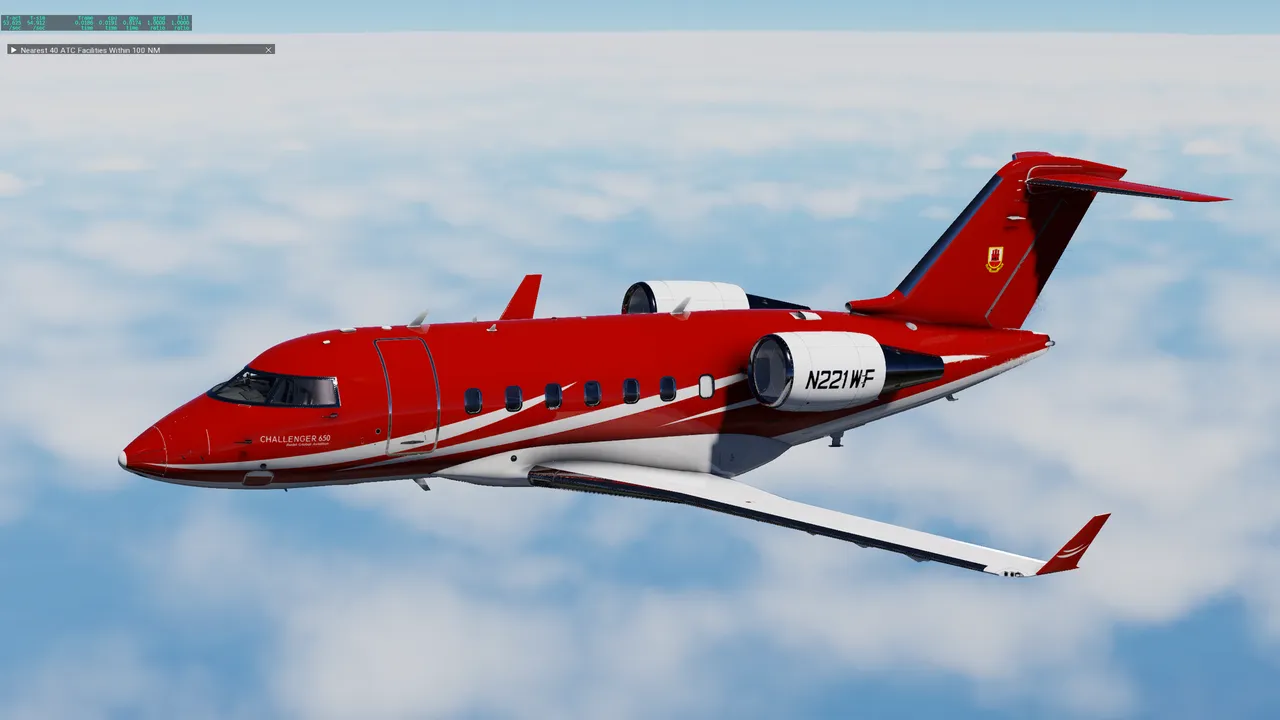
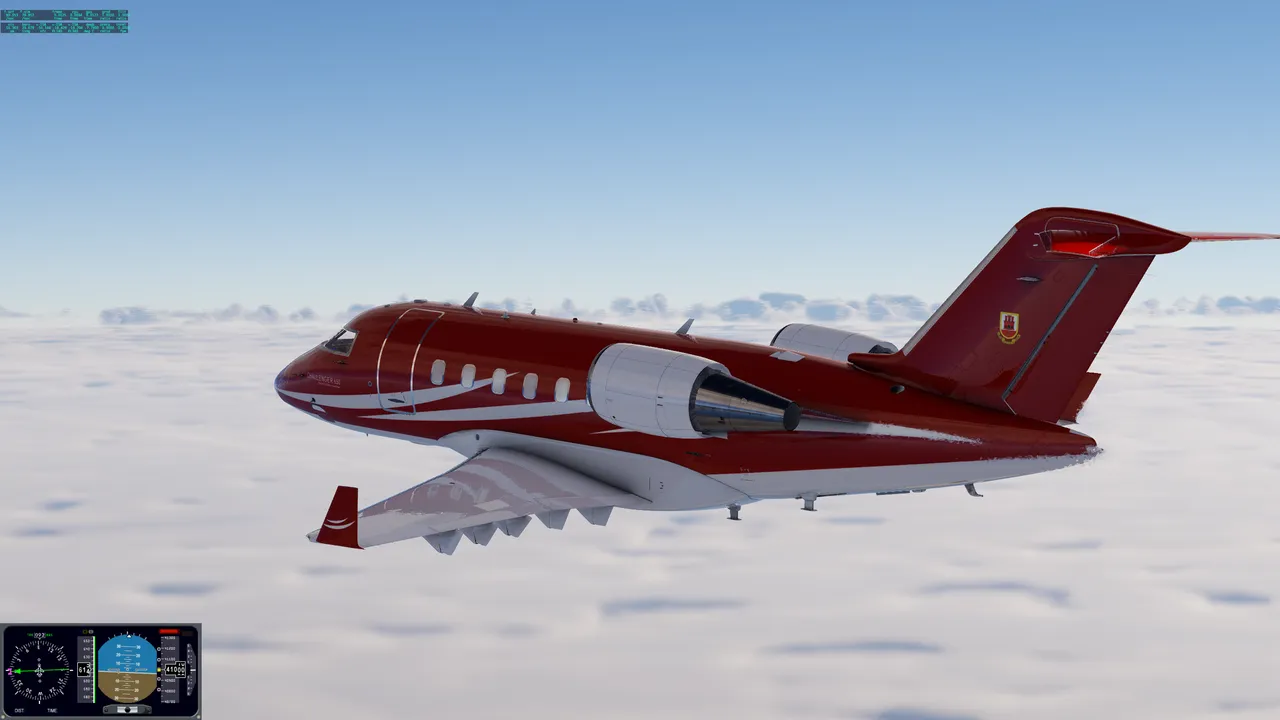
The Hot Start Take Command! Bombardier Challenger 650 represents the pinnacle of civilian flight simulation fidelity, widely recognized across the global flight simulation community as the single most sophisticated desktop aircraft ever engineered. Rather than approximating systems through canned tables, scripting triggers, or basic dataref overlays, Hot Start constructed the Challenger 650 from pure first-principles physics. Every individual wire, relay, hydraulic valve, pneumatic manifold, and fuel line is dynamically simulated down to component-level thermodynamics. If an electric fuel pump cavitates, it does so because vapor pressure exceeded fluid temperature limits; if an electrical bus sheds load, it does so because more than 50 independent simulated computers and micro-controllers are actively measuring real voltage, current, and impedance across every junction.
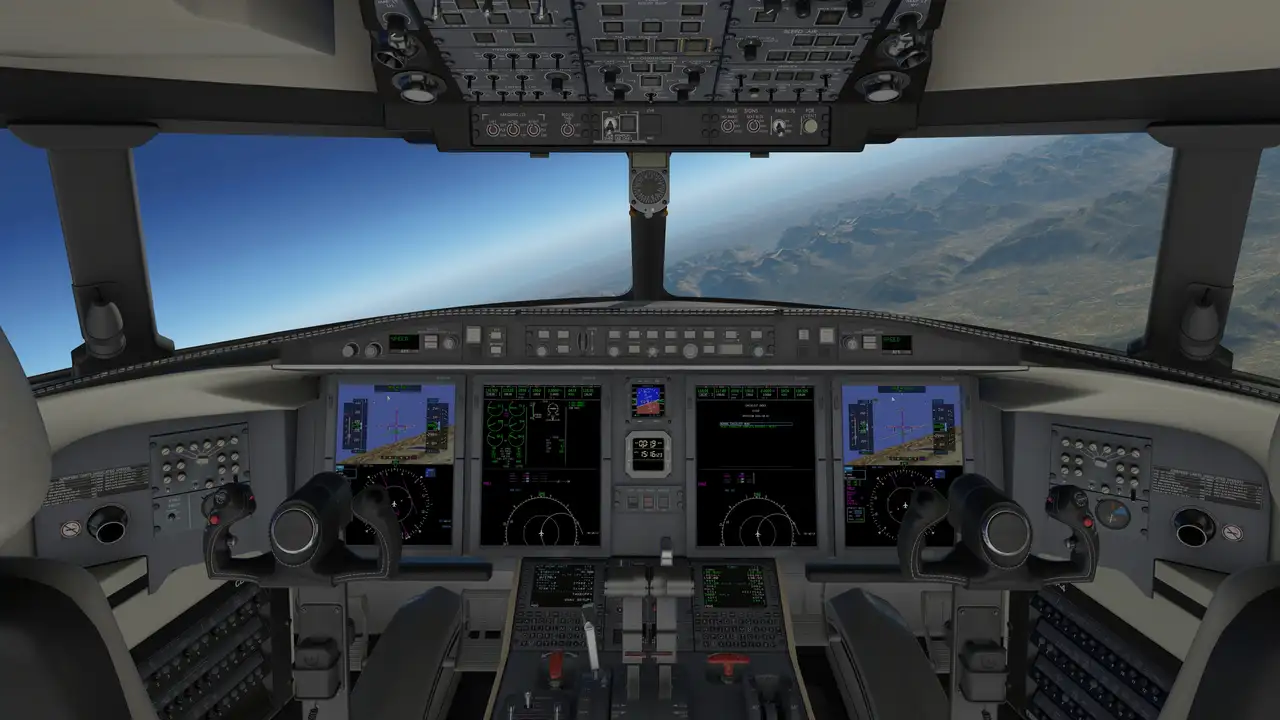
Step into the cockpit, and you are greeted by an uncompromising recreation of the Rockwell Collins Pro Line 4/21 Advanced flight deck. Powered by dual Collins FMS-6000 flight management systems, the avionics feature full lateral and vertical navigation (LNAV/VNAV), automated performance and takeoff distance calculations, integrated electronic checklists, and a bespoke Synthetic Vision System (SVS) mapped onto high-contrast Primary Flight Displays. Charts and terminal procedures do not require external tablet clutter; full georeferenced Navigraph terminal plates display natively directly on the Pro Line multifunction screens. Furthermore, the aircraft features authentic CPDLC and ACARS datalink integration via the Hoppie network, allowing transatlantic FANS-1/A oceanic clearances to be requested, received, and printed directly onto the cockpit pedestal scratchpad printer.
Beyond the instrument panel, the Challenger 650 redefines the concept of pilot immersion by simulating the entire lifestyle of a Part 135 on-demand charter and Part 91 corporate flight department. Pilots begin flights not in a sterile cockpit, but inside a fully interactive Fixed Base Operator (FBO) lounge. Here, you review weather folders, sign dispatch release sheets, coordinate fueling trucks, load baggage into the cargo bay, and welcome passengers into a luxuriously detailed executive cabin.
Perhaps the most astonishing milestone introduced to the simulation is its Live Passenger Onboarding capability. Through a free, dedicated "Passenger Edition" distributed by Hot Start, real-world friends, family, or flight sim enthusiasts who do not even own the $114.95 aircraft can connect directly into your live X-Plane session over the internet. These real-life virtual passengers can take seats throughout the VIP cabin or cockpit jumpseat, adjust their individual seat lighting and climate vents, order drinks, monitor the active flight status on the interactive Airshow cabin moving map, and look out the windows in real time while you pilot the jet from the front. For simmers who conquer its steep learning curve, the Hot Start Challenger 650 is not simply an add-on—it is a transformative aviation benchmark against which all other simulations are judged.
Primary Missions & Operational Roles
-
Transcontinental & Intercontinental Executive Transport: Flying non-stop corporate missions spanning up to 4,000 nautical miles at speeds up to Mach 0.85 (e.g., Teterboro to Geneva, Aspen to London Luton, or Van Nuys to Honolulu).
-
Part 135 / Part 91 Lifestyle & FBO Operations: Executing full operational cycles from initial preflight dispatch, passenger reception, baggage loading, and cabin catering to post-flight servicing and hangar storage.
-
Multiplayer VIP Hosting & Live Passenger Flying: Onboarding real friends and community members into the cabin via the free Passenger Edition client, allowing them to experience executive private aviation as live virtual guests.
-
High-Altitude Oceanic & FANS-1/A Datalink Mastery: Managing complex North Atlantic Tracks (NATs) and Pacific Organized Track System (PACOTS) crossings using authentic CPDLC, ADS-C position reports, and secondary FMS flight plans.
-
Unforgiving Procedural & Failure Training: Practicing electrical bus shedding, hydraulic isolations, cold-weather high-altitude engine restarts, and manual Collins FMS programming without safety nets.
Key Highlights
- Undisputed apex of systems depth in desktop simulation; physical, component-level thermodynamic simulation across all mechanical, electrical, and pneumatic systems.
- Industry-first multiplayer live passenger networking, allowing users of the free "Passenger Edition" to connect over the internet and ride along in the cabin or jumpseat in real time.
- Complete Collins Pro Line 21 avionics suite featuring dual FMS-6000 computers, custom synthetic vision (SVS), electronic checklists, and native on-screen Navigraph chart integration.
- Full CPDLC / ADS-C datalink integration through Hoppie ACARS, complete with an operational mechanical pedestal printer for clearances and weather reports.
- Unrivaled Part 135 corporate immersion featuring interactive FBO facilities, animated passenger boarding, physical luggage loading, and ground servicing.
- Over 50 independent simulated computers running concurrently, modeling realistic signaling latency, sensor tolerances, and real IRS gyro drift calculations.
- Persistent airframe mechanics tracking wear, fluid degradation, engine thermal stress, and switch states across every simulator session.
Quirks & Limitations
- Extremely steep learning curve; requires dedicated study of real-world Collins Pro Line manuals and operational procedures. Pilots who take extended breaks from the aircraft often experience significant "skill fade."
- Zero tolerance for procedural shortcuts; improper engine start sequences, rushed electrical bus transfers, or uncalculated fuel balances will trigger genuine mechanical breakdowns and stranded flights.
- Premium price tag ($114.95) represents the single highest individual aircraft investment in the X-Plane ecosystem, calibrated specifically for study-level enthusiasts.
- Demanding hardware overhead; deep multi-threaded physics calculations and dense cabin/cockpit PBR textures perform best on high-end CPUs and graphics cards with at least 8 GB to 12 GB of VRAM.
- Requires installation, online activation, and background execution through the X-Aviation Gizmo plugin architecture.
Community Ratings & Feedback
Want to rate this flight deck or leave a review? Log In or Create an FSS Account to post your review.
Be the first simmer to leave a flight deck review and community score for this airframe.
Purchase & Download
X-Aviation StoreSystems & Integrations
Video Showcases
Help Improve the Directory
Notice missing details, broken links, or incorrect pricing? Submit a correction to our Hangar Mods.
Suggest an Update