
McDonnell Douglas MD-80
Media Gallery
Editorial Overview & Systems Analysis
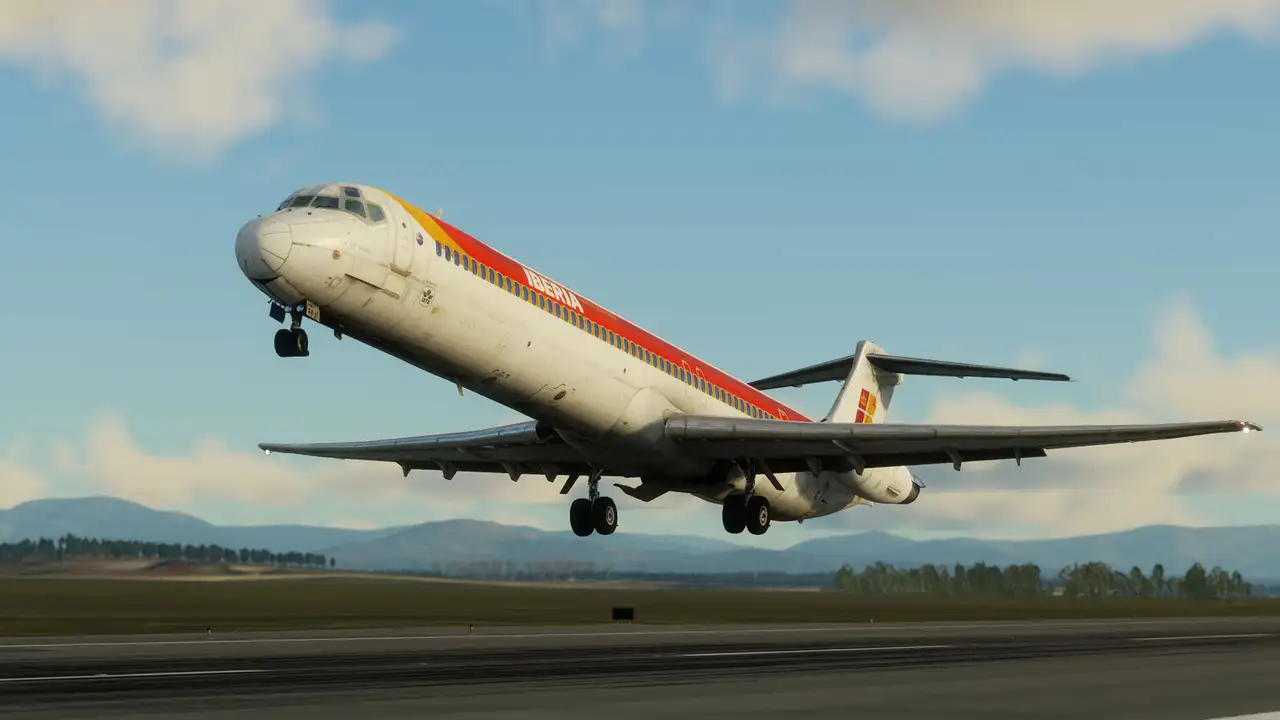
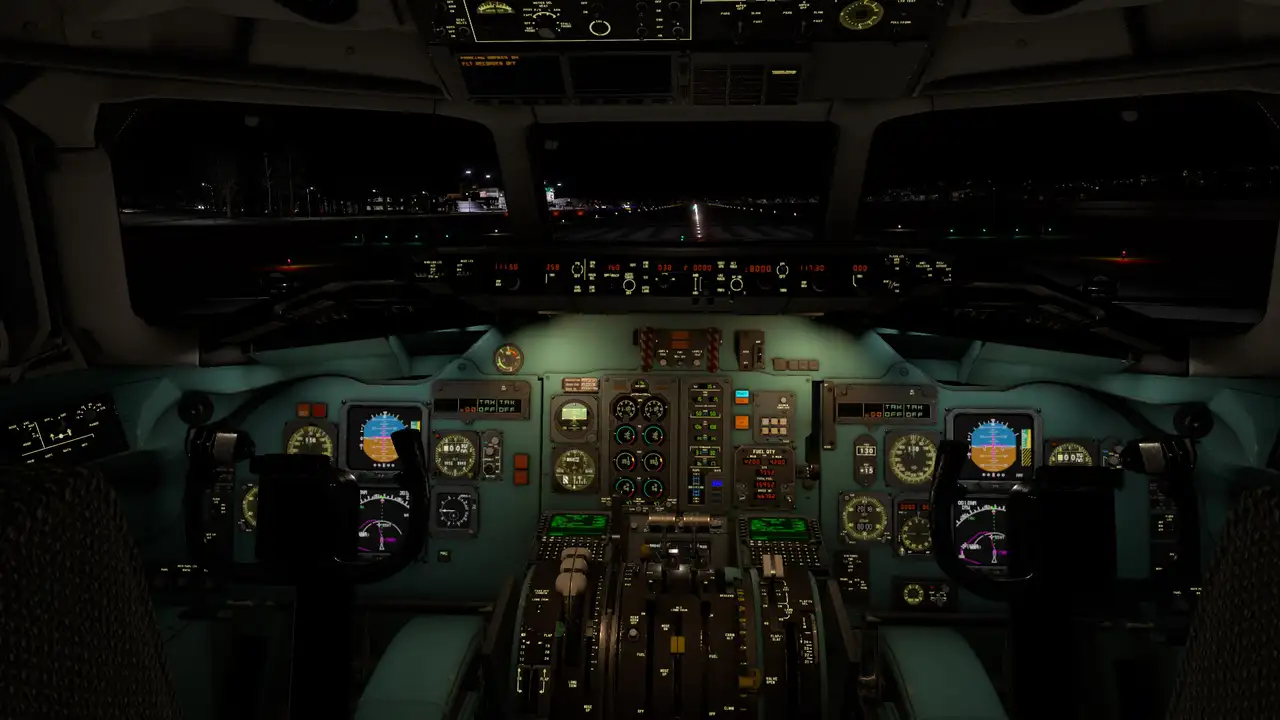
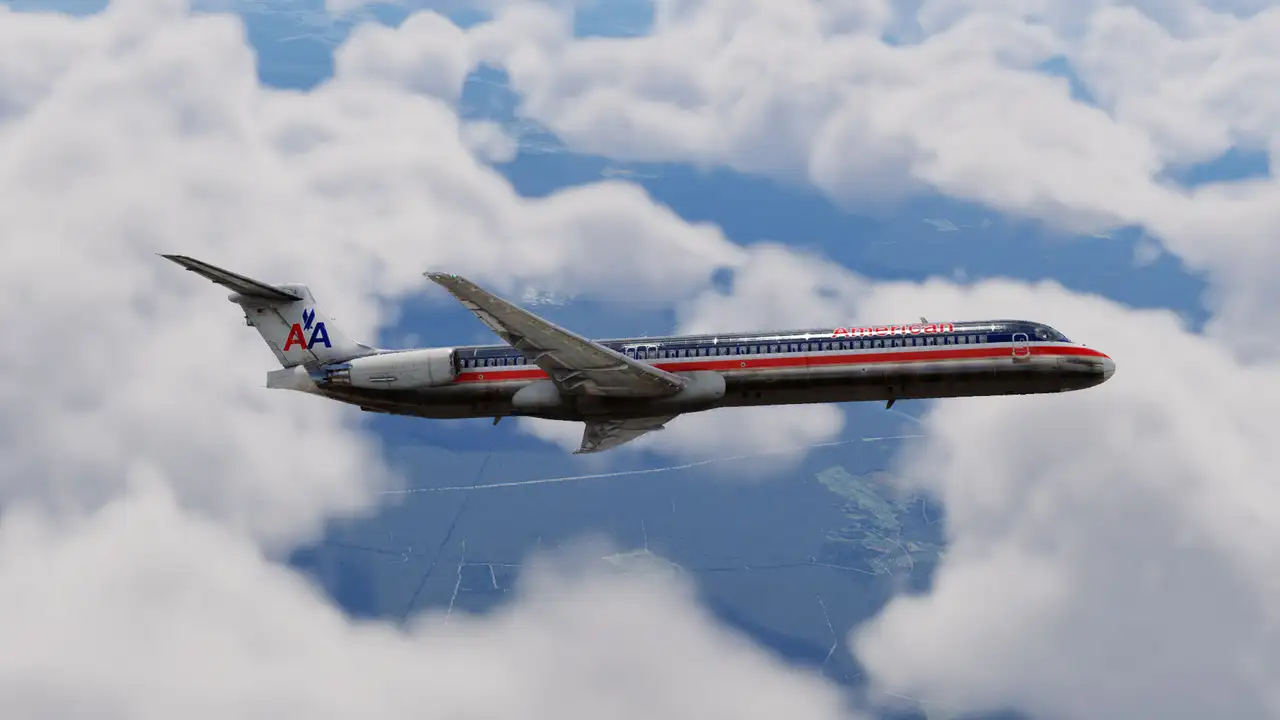
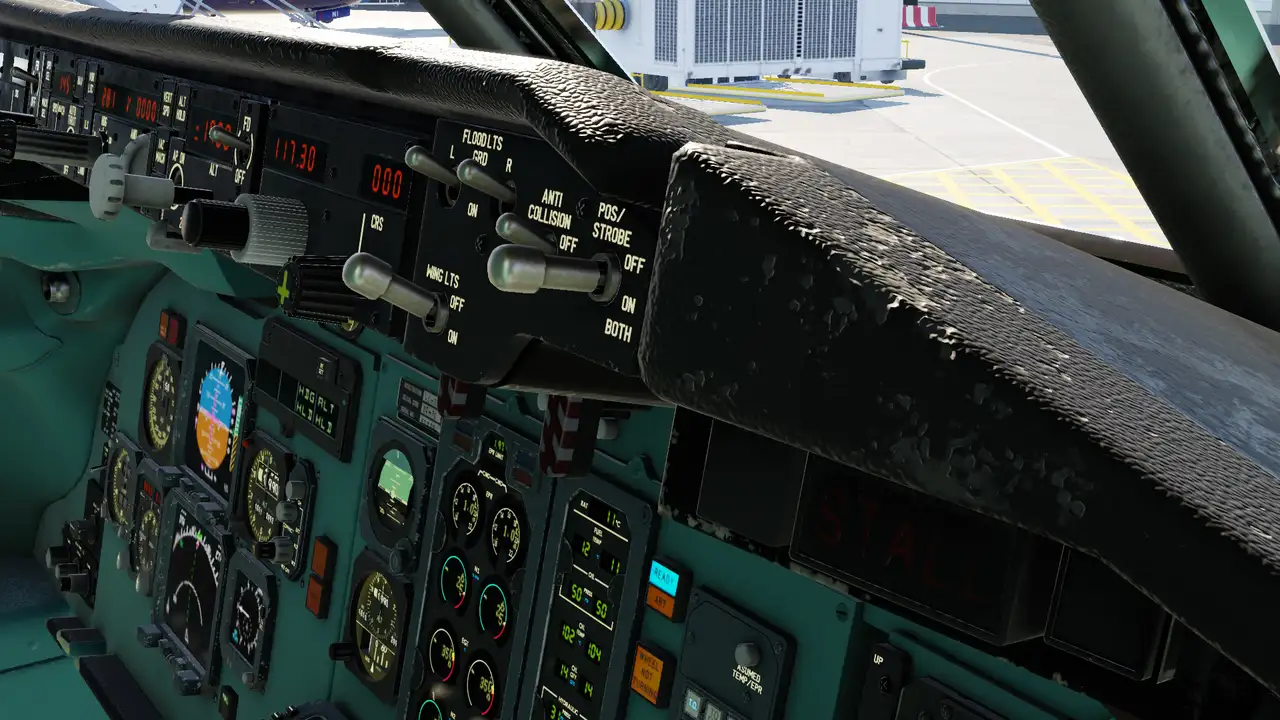
The Rotate McDonnell Douglas MD-80 Pro brings the quintessential classic narrowbody—affectionately dubbed the "MadDog" or "Super 80"—to X-Plane 12 with benchmark study-level systems. Modeled after the modernized MD-88 variant that served as the backbone of North American domestic fleets for Delta and American Airlines, the aircraft occupies a revered transition era in commercial aviation. It bridges vintage electromechanical round gauges with early digital glass: an Electronic Flight Instrument System (EFIS), dual Digital Flight Guidance Computers (DFGC), and a fully custom Flight Management System (FMS) with custom LNAV/VNAV profile management. Updated for native X-Plane 12, Rotate delivers an authoritative recreation of the rear-mounted twinjet, complete with high-resolution PBR texturing, native windshield rain shedding and icing, reworked cockpit lighting, and updated flight physics tuned alongside real-world MD-80 pilots.
Under the cowling, the aircraft is powered by two Pratt & Whitney JT8D-219 low-bypass turbofans producing up to 21,700 pounds of thrust apiece, managed through authentic Engine Pressure Ratio (EPR) rating modes, manual throttles, or an integrated autothrottle system. Piloting the MadDog demands deep respect for Douglas operational philosophy. The flight controls utilize aerodynamic control tabs (servo tabs) rather than direct hydraulic actuators for the elevators and ailerons, requiring pilots to fly the tabs rather than muscling the surfaces. Supported by Douglas’s iconic "Dial-a-Flap" continuously variable flap selection, deep pneumatic cross-bleed logic, authentic ART (Automatic Reserves Thrust) engine limits, and an interactive pop-up ground services and weight/balance menu, the MD-80 Pro is an engaging, tactile workhorse that rewards disciplined procedural airmanship.
Primary Missions & Operational Roles
-
Classic Domestic Trunk & Hub Operations: Flying high-frequency 1980s through 2010s scheduled passenger routes connecting major airline hubs (e.g., Atlanta to New York LaGuardia, Dallas/Fort Worth to Chicago O'Hare).
-
Tactile Transition-Era Airline Flying: Mastering hybrid cockpit workflows that blend early FMS automation with classic needle scans, raw-data radio navigation, and manual pitch trim management.
-
High-Tempo Virtual Airline Line Operations: Operating realistic multi-leg line rotations with rapid gate turns on networks like VATSIM and IVAO.
-
Challenging Crosswind & Engine-Out Practice: Practicing asymmetric thrust control, go-arounds, and crosswind flare technique on a long-fuselage, aft-engine airframe with high yaw authority.
Key Highlights
- Study-level recreation of the classic McDonnell Douglas MD-88, developed and fine-tuned with direct consultation from licensed MD-80 captains.
- Deep Pratt & Whitney JT8D-219 engine modeling featuring authentic EPR thrust ratings, custom spool curves, pneumatic cross-bleed starts, and clamshell bucket reversers.
- Custom-engineered Flight Management System (FMS) and DFGC flight guidance supporting full ARINC 424 procedures, curved transitions, holdings, and VNAV climb/descent calculations.
- Authentic flight control mechanics faithfully replicating Douglas’s cable-and-servo-tab elevator and aileron physics alongside the functional "Dial-a-Flap" system.
- Rich multi-layered soundscape capturing authentic JT8D cabin acoustics, hydraulic whines, switch clicks, and iconic Douglas cockpit warning callouts.
- Comprehensive systems modeling including multi-bus electrical power distribution, pneumatic air conditioning, and interactive system built-in test (BITE) sequences.
Quirks & Limitations
- Demanding landing and flare discipline; the long, flexible fuselage, aft center of gravity, and ground-effect ground cushion require strict pitch control and timely thrust reductions to prevent floating or hard, nose-slamming touchdowns.
- Douglas FMS logic, autopilot flight director guidance (FGCP), and overhead pneumatic/electrical flows differ significantly from modern Boeing and Airbus standards, requiring dedicated study.
- Native X-Plane 12 update features fixed cabin illumination that cannot be independently dimmed from the flight deck.
- Significant VRAM and CPU footprint; the combination of high-resolution textures, complex glass/electromechanical cockpit drawing, and background systems logic performs best on systems with 8 GB or more of video memory.
Community Ratings & Feedback
Want to rate this flight deck or leave a review? Log In or Create an FSS Account to post your review.
Be the first simmer to leave a flight deck review and community score for this airframe.
Purchase & Download
X-Plane.org storeSystems & Integrations
Video Showcases
Help Improve the Directory
Notice missing details, broken links, or incorrect pricing? Submit a correction to our Hangar Mods.
Suggest an Update