
McDonnell Douglas MD-11F

Media Gallery

Editorial Overview & Systems Analysis
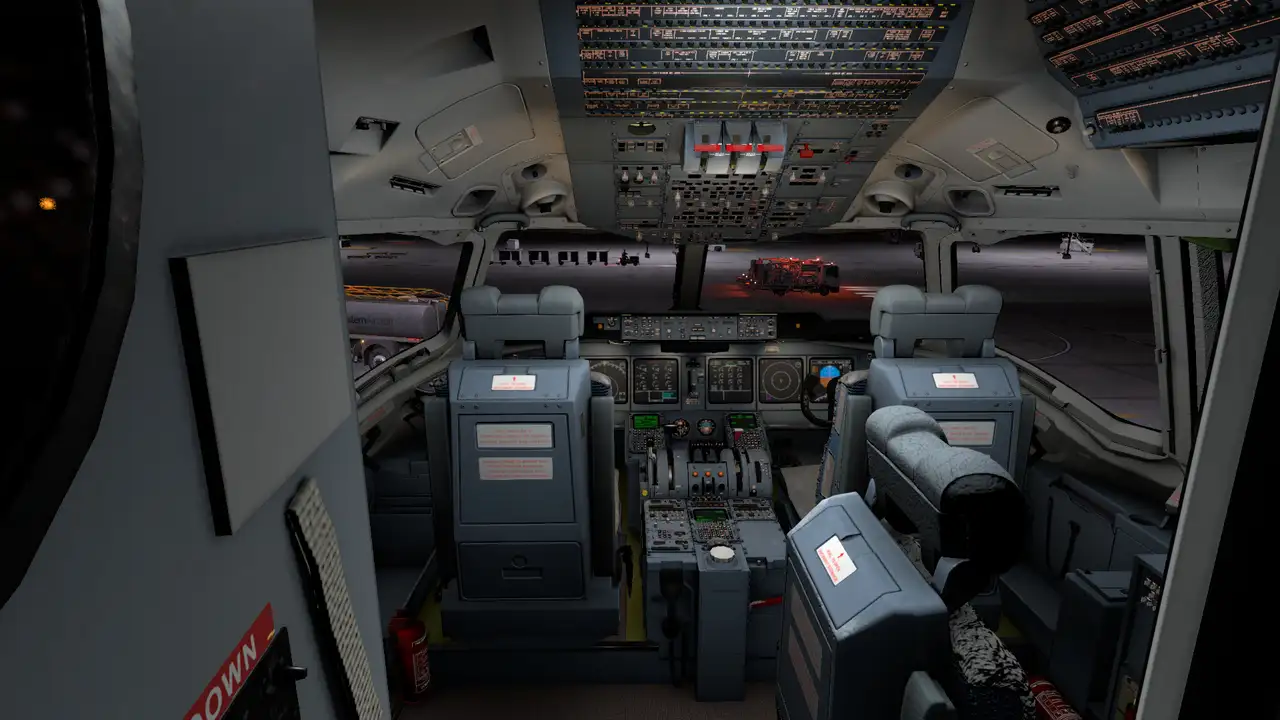
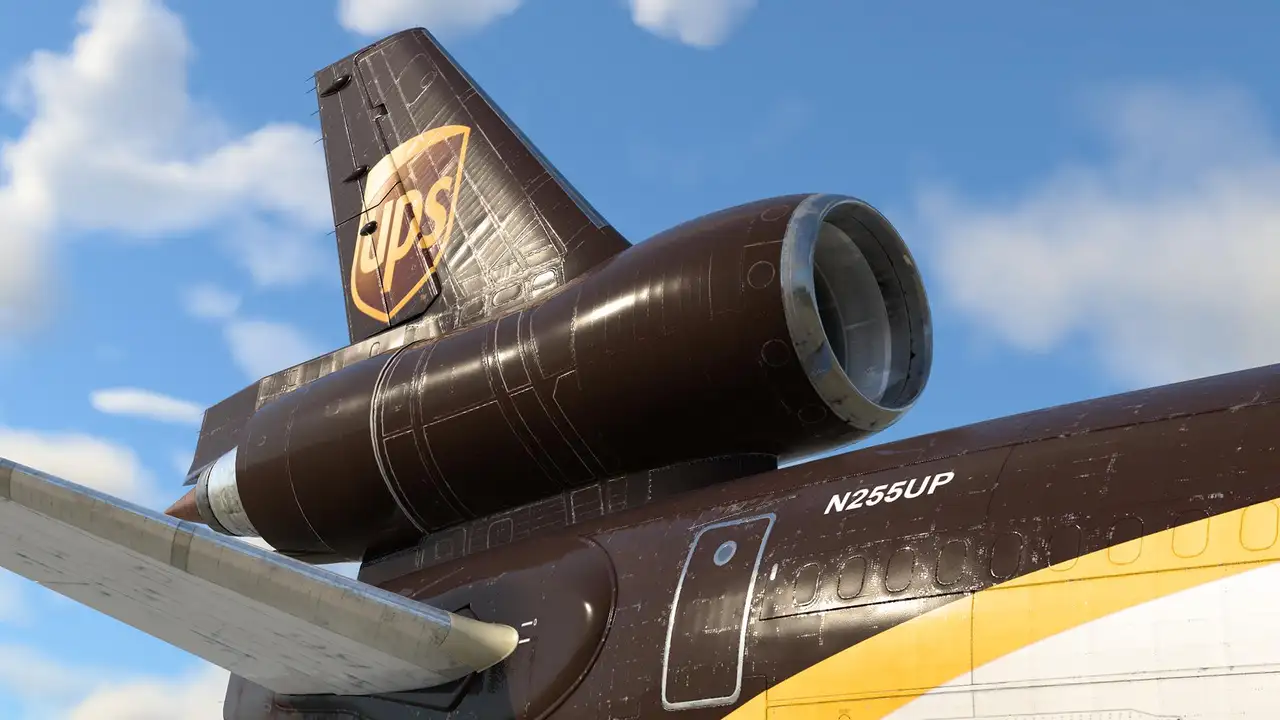
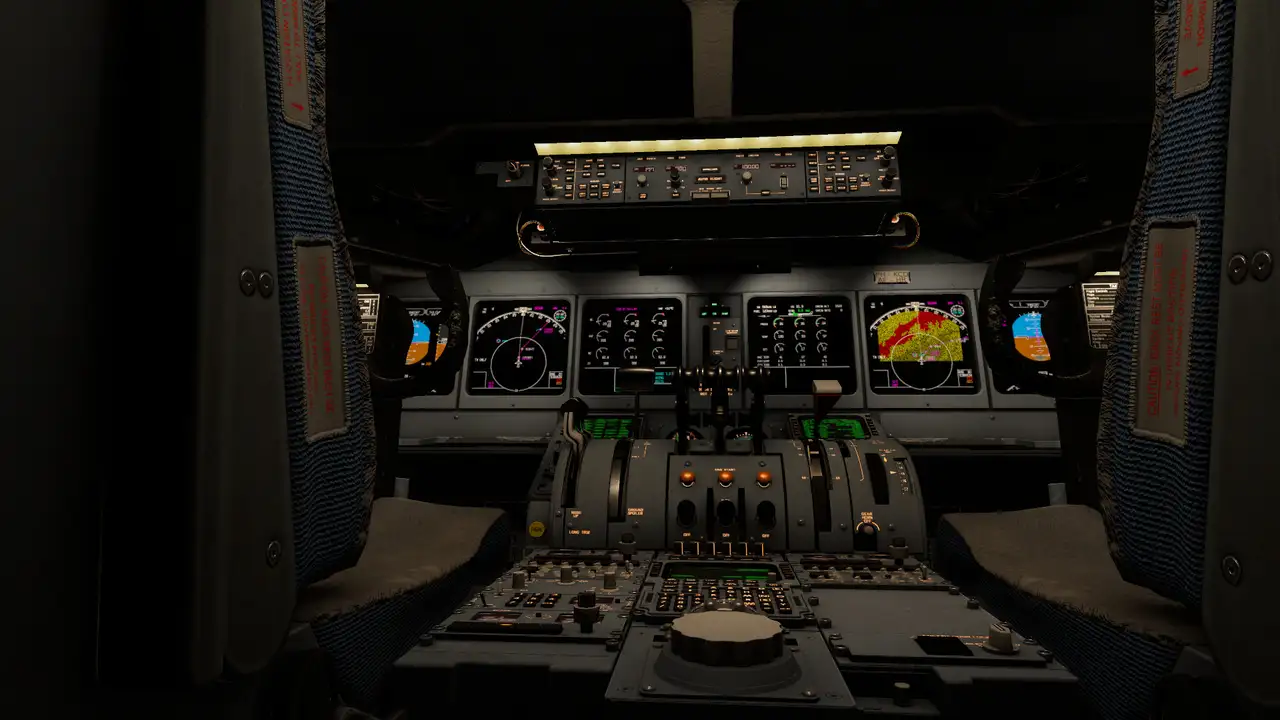
Rotate McDonnell Douglas MD-11F brings one of commercial aviation's most revered and demanding widebody trijets to X-Plane with benchmark study-level systems. Modeled after the dedicated factory and converted freighter variants that anchored fleets for FedEx, UPS, and Lufthansa Cargo, the aircraft is powered by three General Electric CF6-80C2D1F high-bypass turbofans delivering over 61,000 pounds of thrust apiece. Rotate spent years engineering this heavy metal flagship, reproducing Douglas’s distinctive high-automation philosophy—including automated electrical and hydraulic system controllers, non-break power transfers, dual independent FMCs, and the complex Tail Fuel Management System that actively pumps fuel aft into the horizontal stabilizer during cruise to optimize center of gravity (CG) and slash aerodynamic drag.
In the flight levels and on final approach, the MD-11 requires immense procedural respect and hands-on skill. To achieve fuel efficiency, McDonnell Douglas designed the aircraft with a downsized horizontal tailplane, compensating with an electronic Longitudinal Stability Augmentation System (LSAS) and Pitch Rate Damper. Approaching the threshold at high gross weights requires brisk approach speeds (frequently 155 to 165 knots) and precise flare timing; over-flaring will quickly trigger ballooning, tail-strike hazards, or harsh bounces. Supported by a full interactive main cargo deck, an advanced Electronic Flight Bag (EFB) with direct SimBrief operational flight plan imports and takeoff/landing performance calculators, and over 200 failable system scenarios, the MD-11F is an essential, unforgiving workhorse for virtual cargo captains.
Primary Missions & Operational Roles
-
Global Long-Haul Cargo Flights: Heavy intercontinental freight operations connecting major international freight hubs (e.g., Memphis, Louisville, Anchorage, Frankfurt, Hong Kong).
-
Transcontinental Overnight Express: Time-critical overnight priority package delivery running high-volume domestic sectors.
-
Heavy Trijet Systems & Energy Management Training: Mastering complex Douglas auto-flight systems, center-engine #2 throttle nuances, and high-speed descent planning.
-
Challenging Heavy Metal Landings: Practicing manual high-speed crosswind landings, LSAS pitch discipline, and go-around procedures in a heavy, high-inertia widebody.
Key Highlights
- Benchmark study-level trijet simulation featuring authentic General Electric CF6-80C2 engines with custom spool, FADEC, and reverse thrust dynamics.
- Deeply simulated McDonnell Douglas automation, including the active Tail Fuel Management System (ballast fuel transfer to the horizontal stabilizer) and auto-bleed/hydraulic controllers.
- Authentic flight dynamics modeling the MD-11’s unique LSAS pitch characteristics, control wheel steering (CWS), and high-inertia widebody ground handling.
- Modernized Electronic Flight Bag (EFB) featuring native SimBrief flight plan retrieval, integrated takeoff and landing performance calculators, and AviTab support.
- Interactive main deck and lower cargo hold modeling, complete with animated cargo doors and pallet containers populated dynamically based on payload weight.
- Comprehensive failure simulation with over 200 custom, resettable failure modes and authentic alerting on the Electronic Alert Display (EAD) and System Display (SD).
Quirks & Limitations
- Demanding landing characteristics; high approach speeds and reduced tail area demand strict pitch and speed discipline to prevent ballooning, tail strikes, or gear-damaging bounces.
- Douglas FMS architecture, AFS flight guidance, and overhead panel automation differ substantially from standard Boeing and Airbus conventions, requiring a dedicated learning curve.
- Cross-variant discount structure: owning the MD-11F grants a discounted $34.95 upgrade path to the Passenger variant, but they remain separate package downloads.
- Complex multi-display rendering, 4K cargo hold geometry, and background systems logic require a beefy CPU and a graphics card with 8 GB or more of VRAM for smooth performance.
Community Ratings & Feedback
Want to rate this flight deck or leave a review? Log In or Create an FSS Account to post your review.
Be the first simmer to leave a flight deck review and community score for this airframe.
Purchase & Download
X-Plane.org storeSystems & Integrations
Video Showcases
Help Improve the Directory
Notice missing details, broken links, or incorrect pricing? Submit a correction to our Hangar Mods.
Suggest an Update