
ATR 72-600
Media Gallery
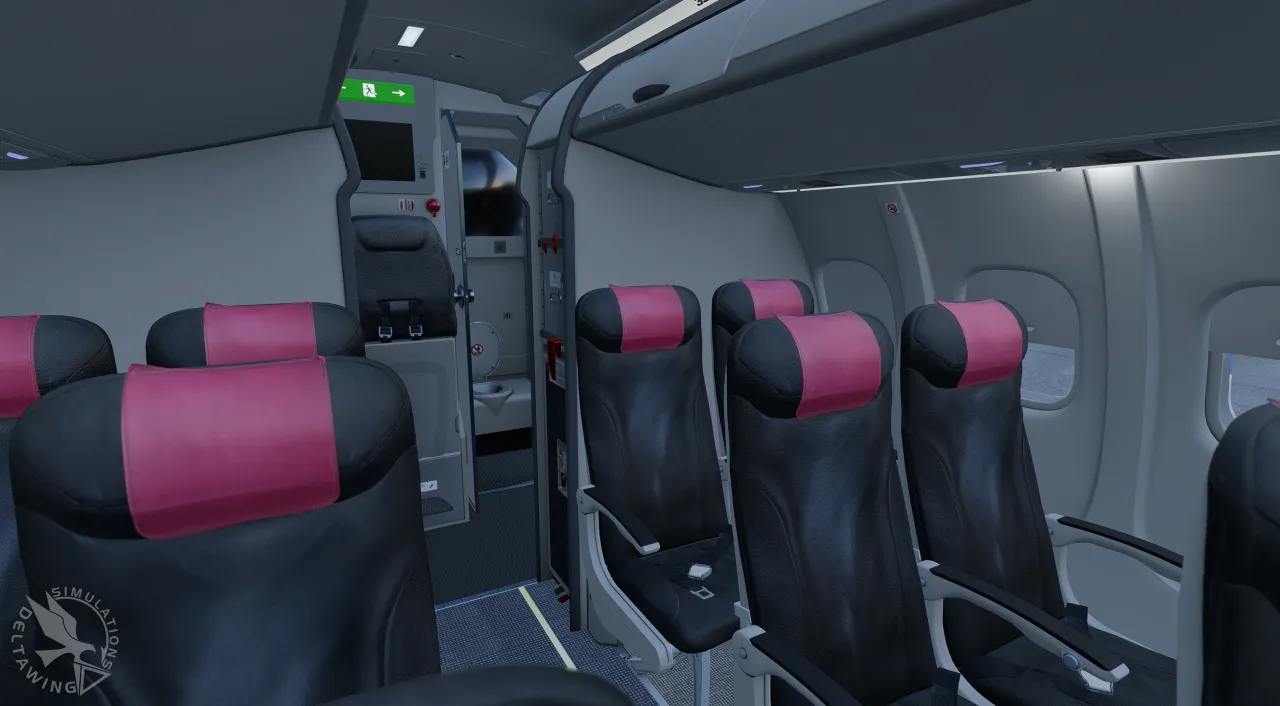
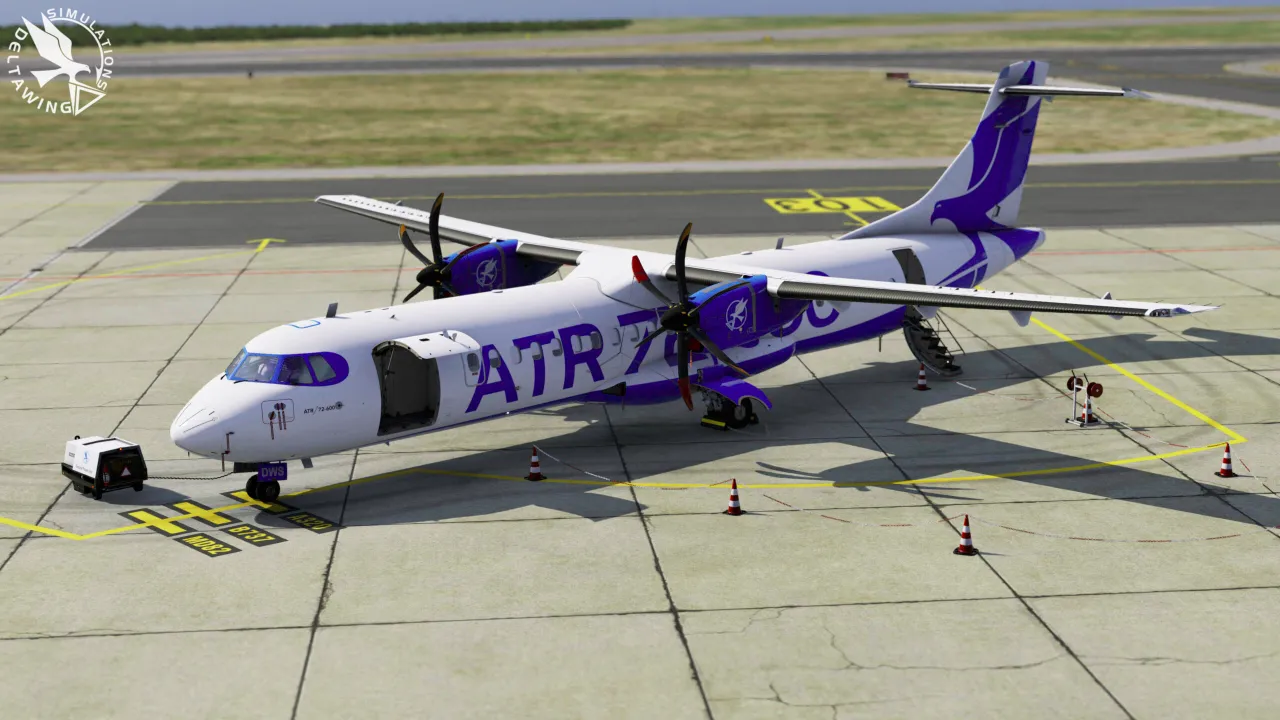
Editorial Overview & Systems Analysis
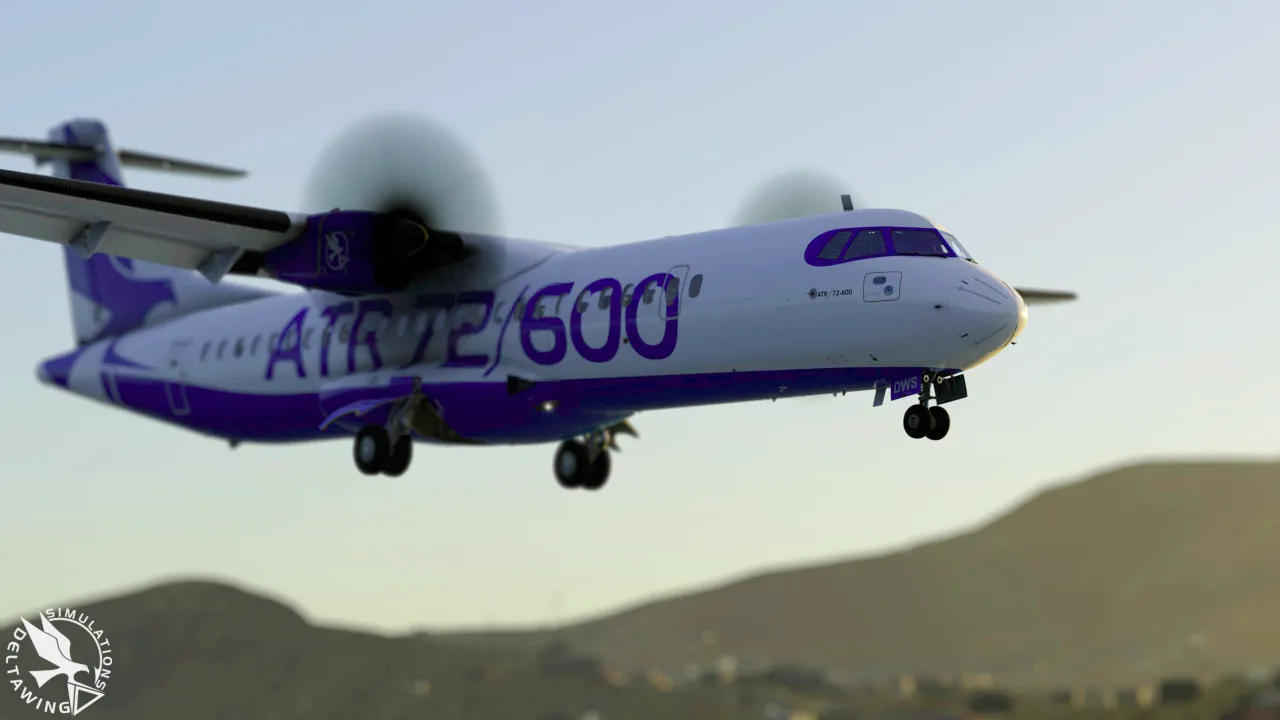
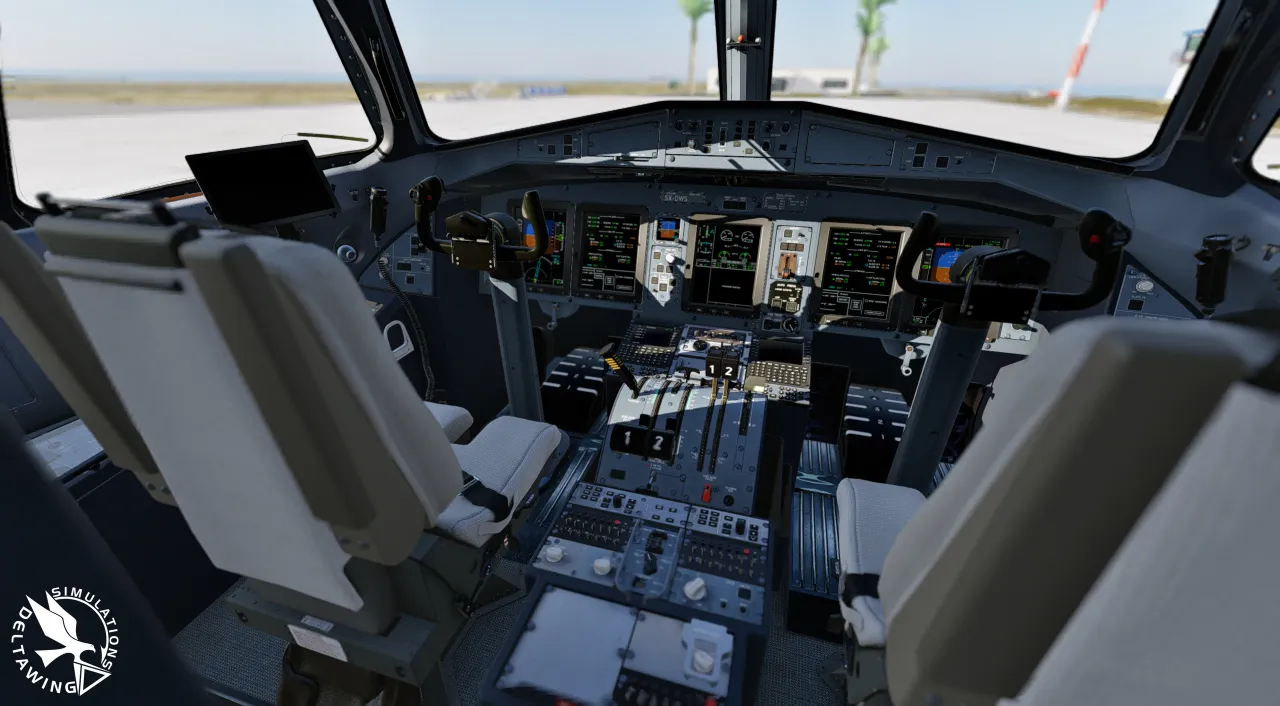
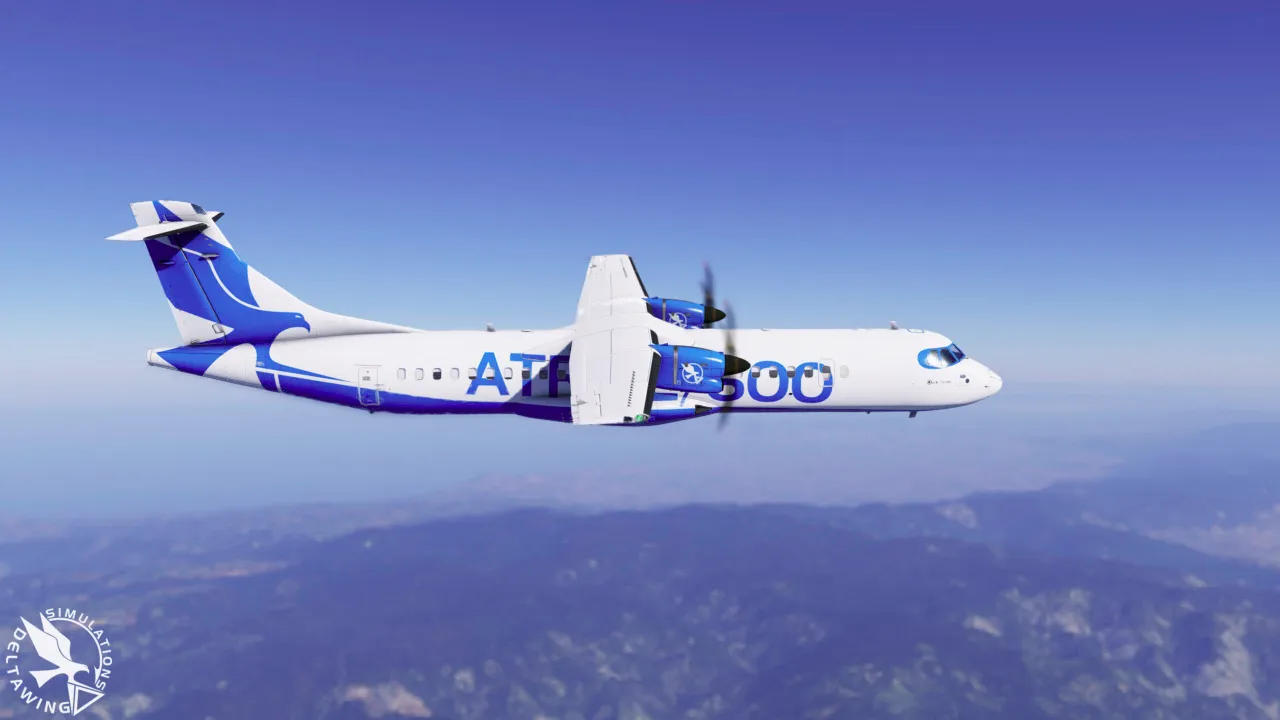
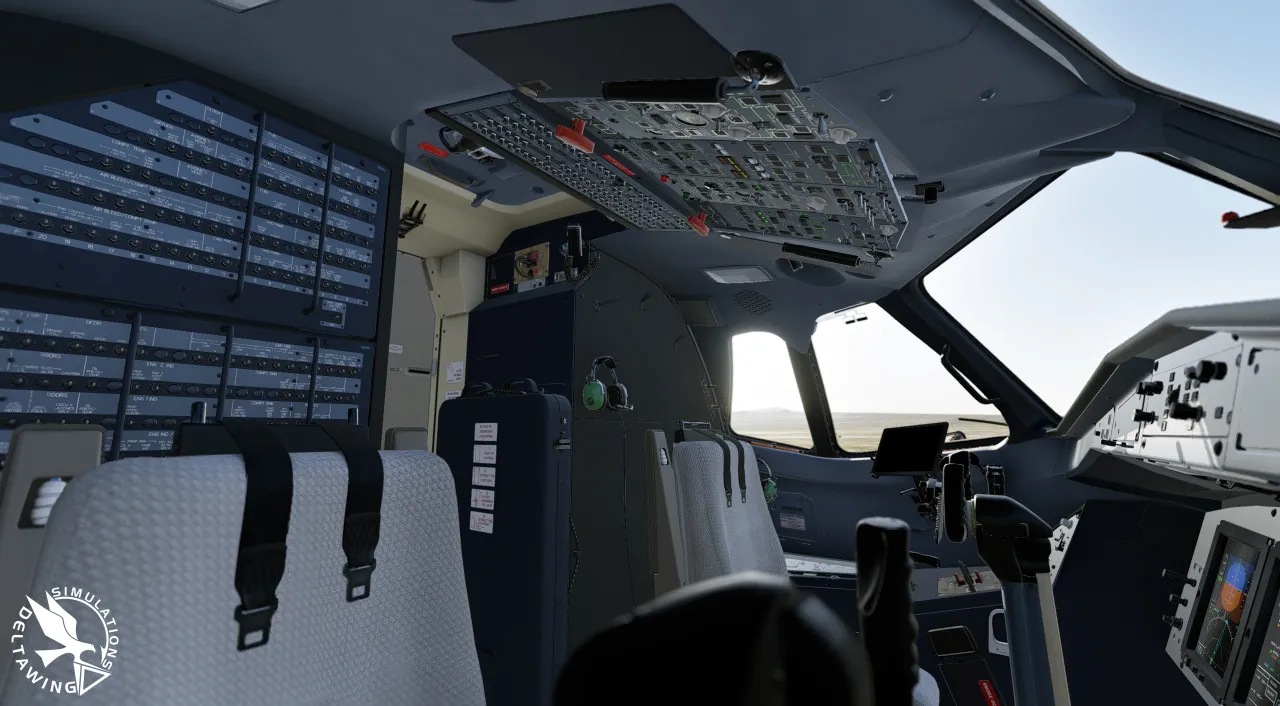
The ATR 72-600 stands as the modern benchmark of regional turboprop aviation, connecting short-field island strips, high-density commuter corridors, and remote outposts where jet efficiency falters. Developed by French-Italian manufacturer ATR, the -600 series modernized the rugged airframe with advanced Pratt & Whitney Canada PW127M powerplants, six-bladed composite Hamilton Standard propellers, and a fully digitized, five-screen Thales glass cockpit suite.
DeltaWing Simulations has elevated this twin turboprop into undisputed Study Level territory for X-Plane 12. Rather than relying on rigid scripting or cosmetic dataref manipulation, the aircraft is engineered from the ground up around first-principles physics, real-time thermodynamics, and interconnected fluid dynamics. The engine simulation models heat dissipation, nacelle airflow, and internal temperatures dynamically. An operational highlight is the aircraft’s signature Hotel mode—where the right-hand engine runs with the propeller brake engaged to supply electrical power and air conditioning without an auxiliary power unit (APU). If a virtual pilot starts Hotel mode with a direct tailwind, the simulation realistically models exhaust gases blowing back into the intake, driving Interstage Turbine Temperature (ITT) upward and demanding active thermal management.
The electrical architecture operates on a continuous, live current loop. Voltages, amperages, and wattages dynamically fluctuate across individual circuit breakers, main distribution buses, transformer rectifier units (TRUs), inverters, and battery banks based on real-time connected loads. A degraded or weakened battery realistically struggles to support high draw cycles, and real-time fluid systems govern hydraulic and fuel flows down to emergent, unscripted leaks. Furthermore, DeltaWing incorporates persistent physical wear across flights, tracking cumulative wear on landing gear tires, brake pad degradation, and tailstrike shoe integrity.
The DeltaWing ATR 72-600 provides a deeply authentic, living physical ecosystem in X-Plane 12. By marrying exhaustive Aircraft Flight Manual (AFM) and Quick Reference Handbook (QRH) procedure compliance with first-principles mechanical causality, it serves as an uncompromising, top-tier regional turboprop benchmark where poor airmanship and systems mismanagement carry genuine, unscripted consequences.
Primary Missions & Operational Roles
-
Short-Haul Regional Feeder Operations: Fly high-frequency, sub-500-nautical-mile scheduled airline hops connecting remote regional airfields to major international hubs.
-
Island Hopping & Short-Field Precision: Execute demanding approaches into short, high-workload island runways utilizing precise propeller beta range and reverse thrust management.
-
Turnaround Management via Hotel Mode: Conduct realistic gate and ramp turnarounds without external ground power or an APU, managing electrical draw and engine cooling on the ramp.
-
Abnormal & Emergency QRH Drills: Drill complex operational emergencies including real-time hydraulic leaks, electrical smoke containment procedures, single-engine drift-downs, and unfeathering drills.
Key Highlights
- First-Principles Engine Thermodynamics: Dynamic thermal calculations simulate internal nacelle heat, ambient air variables, and exhaust gas ingestion in Hotel mode.
- Live Electrical Architecture: Continuous component-level electrical simulation where voltage, amperage, and battery charge states dynamically react to real-time equipment draw.
- Emergent Fluid Dynamics: Realistic fuel and hydraulic loops feature live fluid depletion and pressure fluctuations rather than scripted timer-based failures.
- Persistent Mechanical Wear: Multi-flight wear tracking preserves the condition of tires, brake friction pads, and the tailstrike shoe across successive simulator sessions.
- Exhaustive AFM & QRH Compliance: Systems logic strictly respects published operating manuals, including procedural cockpit flows like closing extract air flow during electrical smoke drills.
Quirks & Limitations
- Steep Learning Curve: Demands strict adherence to real-world turboprop operational procedures; improper thermal handling or rushed electrical switching causes genuine mechanical failure.
- Demanding Hardware Footprint: Complex background thermodynamic loops and high-resolution glass cockpit displays require solid single-core CPU speeds and 8GB+ of VRAM.
- Active Post-Release Maintenance: Continued fine-tuning of engine acoustic profiles, specific livery flight-hour wear persistence, and aerodynamic refinements remain ongoing across the development cycle.
Community Ratings & Feedback
Want to rate this flight deck or leave a review? Log In or Create an FSS Account to post your review.
Be the first simmer to leave a flight deck review and community score for this airframe.
Purchase & Download
X-Plane.org storeSystems & Integrations
Video Showcases
Help Improve the Directory
Notice missing details, broken links, or incorrect pricing? Submit a correction to our Hangar Mods.
Suggest an Update