
Pilatus PC-6/B2-H4 Turbo Porter
Media Gallery
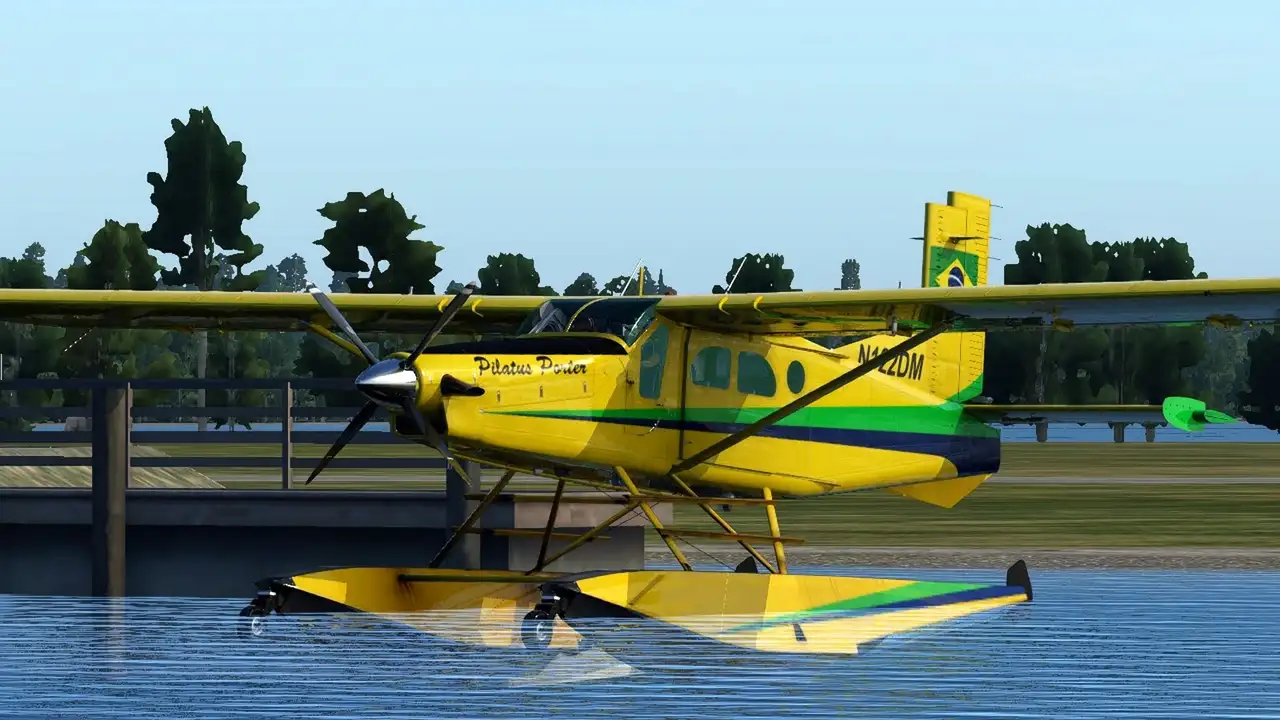
Editorial Overview & Systems Analysis
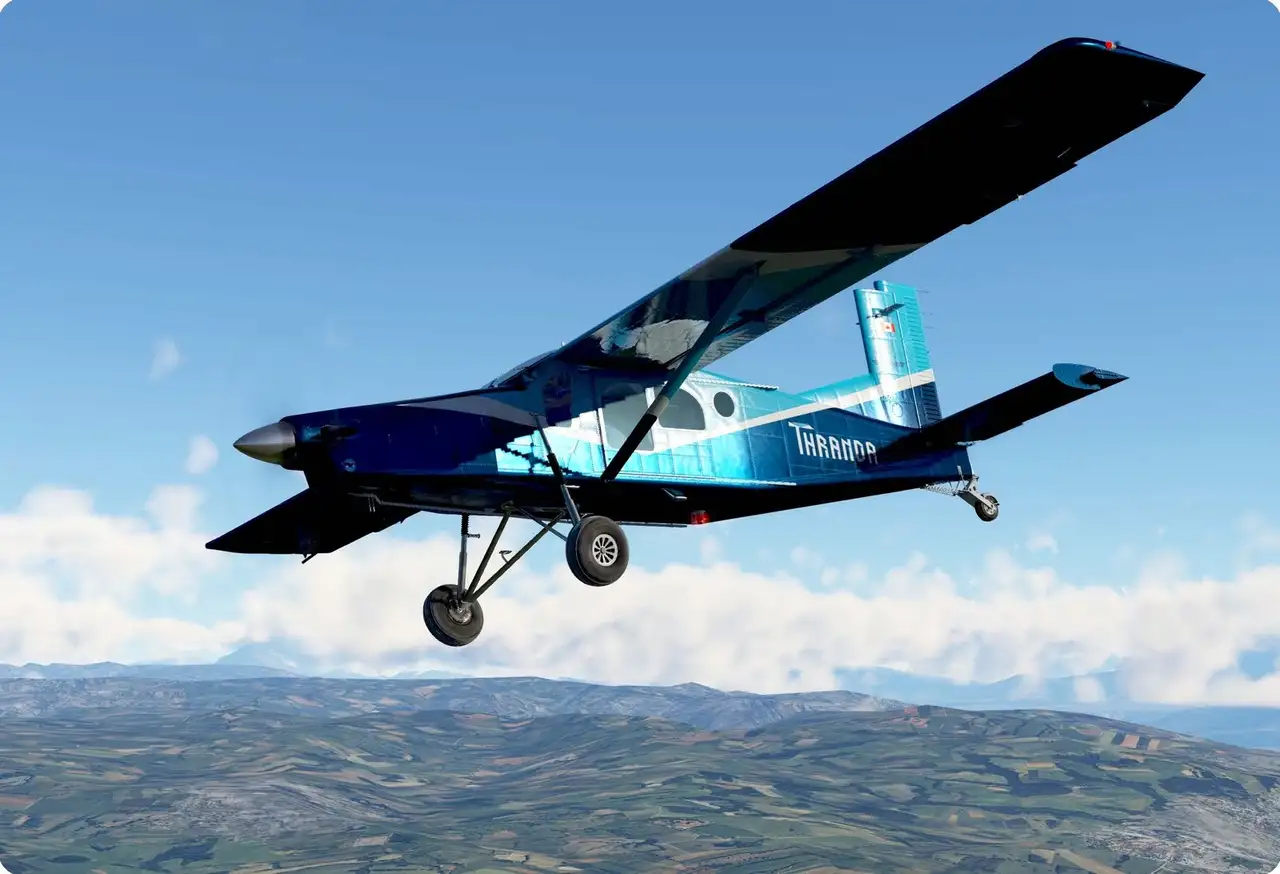
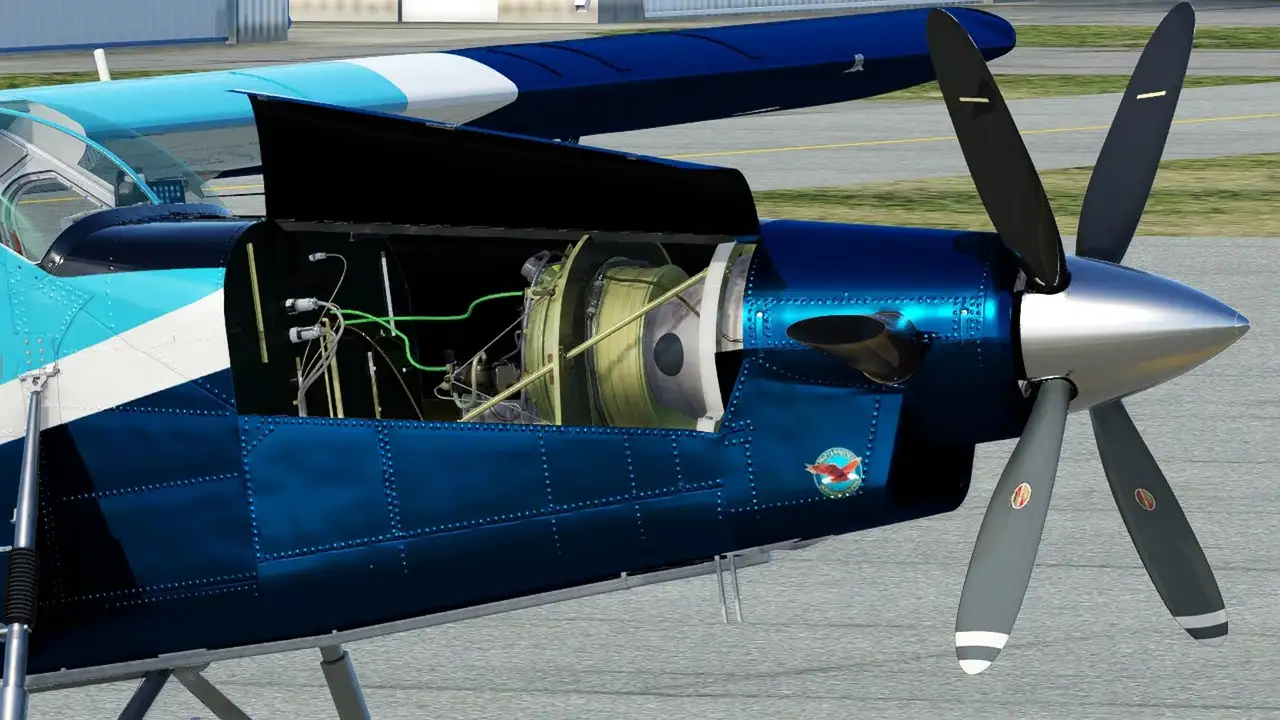
The Pilatus PC-6 Turbo Porter (universally cataloged across global bush operations, humanitarian supply networks, and simulation hangars as the PC-6, PC6, Turbo Porter, Porter, and PC-6/B2-H4) is one of the most remarkable short-takeoff-and-landing (STOL) utility aircraft ever conceived. First flown in 1959 with a piston engine in Stans, Switzerland, the airframe achieved legendary status when Pilatus mated its rugged, slab-sided utility fuselage and high-lift cambered wing with the Pratt & Whitney Canada PT6A turboprop engine. Capable of operating out of unimproved clearings under 400 feet, the Turbo Porter became a fixture across the high Alps, remote Indonesian jungle ridges, Antarctic research stations, and skydiving dropzones worldwide. Developed natively for X-Plane 12 by Thranda Design under their signature Dynamic Generation Series (DGS), this package delivers an authentic simulation of the iconic Swiss workhorse with extensive airframe modularity and tactile bush capability.
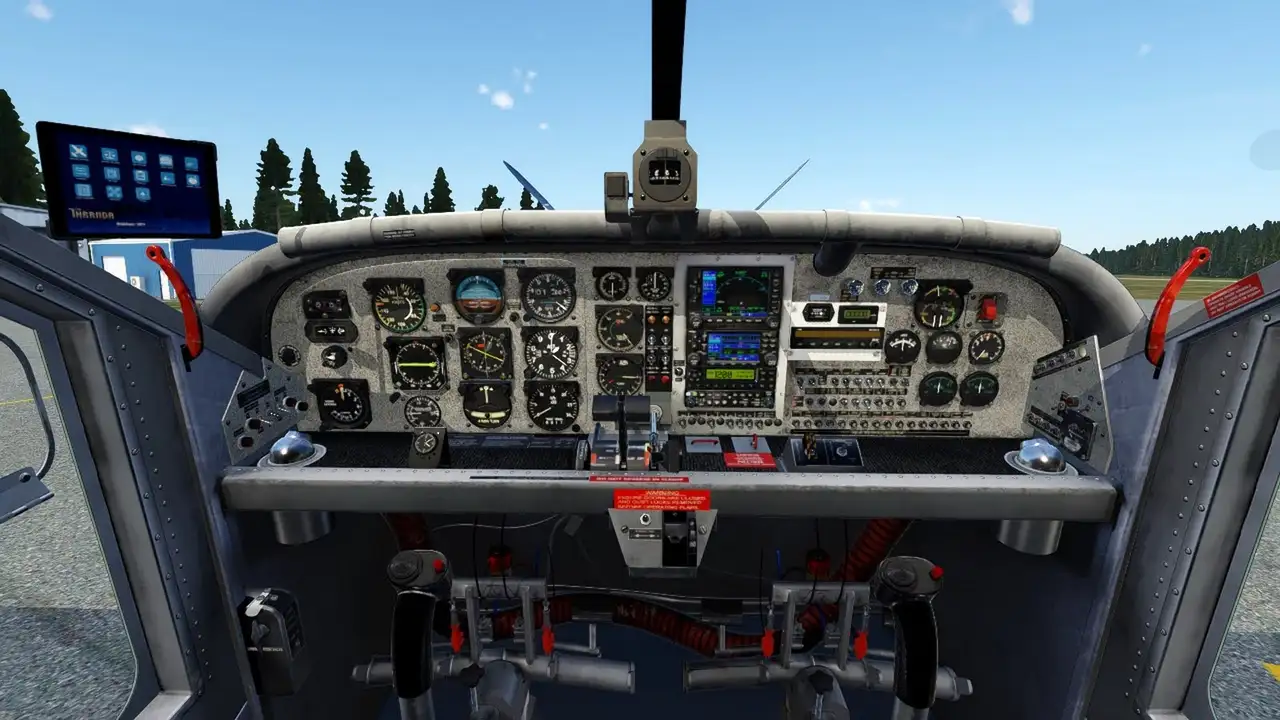
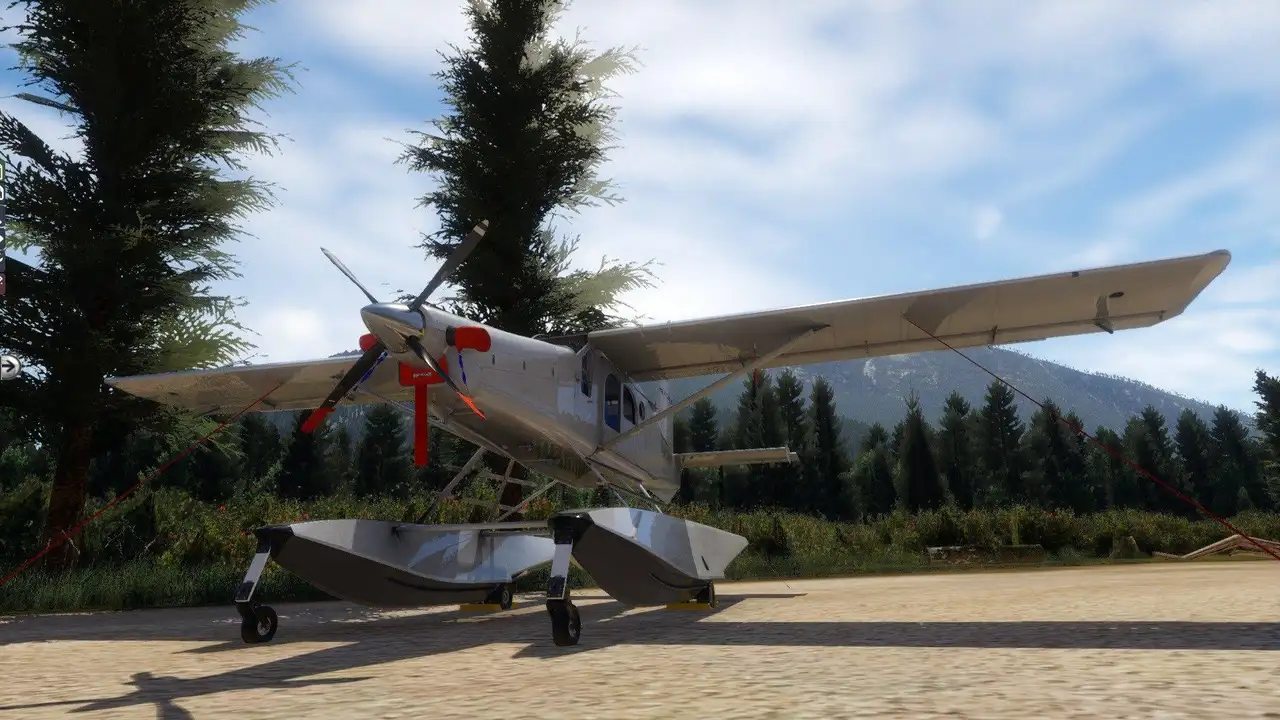
True to the multi-mission spirit of the Porter, Thranda models an expansive assortment of running gear and airframe configurations. Simmers can equip the aircraft with standard taildragger gear, oversized backcountry tundra tires with mud flaps, retractable snow skis for glacier operations, straight seaplane floats, or amphibious floats complete with functional water rudders. In the cockpit, Thranda’s signature modular DGS 3D panel system gives pilots complete layout freedom: over 50 individual flight instruments can be freely positioned, rearranged, or saved across presets in real time. The cockpit easily adapts between vintage analog dials, an Aspen EFD 1000 electronic flight display, and navigation setups ranging from default Garmin GNS 430/530 units to third-party Reality XP GTN suites. Pilots also have access to the swiveling Thranda tablet EFB, featuring real-time weight and balance balancing, AviTab charts, dynamic PBR livery painting with live dirt/weathering sliders, and DynaFeel flight control tuning.
In the X-Plane 12 flight environment, the Turbo Porter delivers the extreme low-speed authority and aerodynamic characteristics that define the type. Powered by the 550-shp PT6A-27 turboprop, the aircraft can climb at steep deck angles while maintaining airspeed margins well above its 52-knot stall speed. Cruising requires pilots to get used to the Porter's unique nose-down pitch attitude—a natural consequence of its high-incidence STOL wing producing massive lift at level cruise. Crucially, Thranda captures the aircraft's famous real-world operational technique: the in-flight beta dive. By pitching the four-bladed Hartzell propeller into beta range during steep descents, the prop disk acts as a massive aerodynamic airbrake, allowing pilots to dive at descent rates exceeding 4,000 to 6,000 feet per minute directly over a dropzone without exceeding structural airspeed limits VNE. Evaluated under our directory rubric, the package earns a solid Procedural tier: while circuit breakers remain cosmetic representations and internal turbine wear relies on simulator logic, its STOL flight physics, beta dive capability, and multi-gear versatility make it an indispensable backcountry turboprop for XP12.
Primary Missions & Operational Roles
-
Alpine Glacier & Short-Field Mountain STOL: Landing on extreme high-altitude alpine clearings, snowfields, and glaciers using the retractable ski-equipped landing gear.
-
Parachute Jump Operations & Beta Dive Descents: Hauling skydivers up to 12,000 to 14,000 feet MSL, deploying jumpers, and executing extreme nose-down beta dives back to pattern altitude in record time.
-
Remote Wilderness Cargo & Supply Hauling: Operating heavy cargo sorties into unimproved grass clearings, riverbeds, and jungle strips under 500 feet of ground roll.
-
Amphibious Fiord & Lake Touring: Flying coastal and backcountry lake charters utilizing straight or amphibious floats with functional water rudders.
Key Highlights
- Exceptional STOL flight dynamics modeling ground rolls under 400 feet, low approach speeds, and extreme slow-flight stability.
- Multiple operational running gear variants included: standard tricycle-tailwheel gear, oversized tundra tires, snow skis, straight floats, and amphibious floats.
- Faithful modeling of turboprop beta-range dynamics, enabling authentic in-flight steep beta dive descents.
- Dynamic modular instrument panel allowing pilots to position, drag, and calibrate over 50 individual analog and digital instruments (including Aspen EFD 1000 and Reality XP GTN support).
- Multi-featured cockpit tablet EFB with interactive weight & balance loading, AviTab moving-map integration, DynaFeel control resistance tuning, and a steerable electric ramp tug.
- Real-time dynamic paint shop and PBR material manager for customizing paint schemes, surface roughness, and dirt/scratch accumulation on the fly.
Quirks & Limitations
- Distinctive nose-down pitch attitude required during level cruise to counteract the high wing incidence and lift profile.
- High-drag STOL airframe and thick wing profile prioritize lifting capacity over velocity, limiting normal cruise to roughly 110 to 120 KTAS.
- Cockpit circuit breakers and electrical fuses are cosmetic fixtures rather than active overcurrent isolation switches.
- Swapping between default Garmin GNS 430 and GNS 530 GPS stacks requires an aircraft reload due to core simulator dataref constraints.
- High-resolution 8K PBR exterior and interior textures can introduce video memory (VRAM) pressure when paired with heavy orthophoto scenery.
- Does not support automated direct SimBrief OFP flight plan uplink.
Community Ratings & Feedback
Want to rate this flight deck or leave a review? Log In or Create an FSS Account to post your review.
Be the first simmer to leave a flight deck review and community score for this airframe.
Systems & Integrations
Video Showcases
Help Improve the Directory
Notice missing details, broken links, or incorrect pricing? Submit a correction to our Hangar Mods.
Suggest an Update