
Britten-Norman BN-2A Islander
Media Gallery

Editorial Overview & Systems Analysis
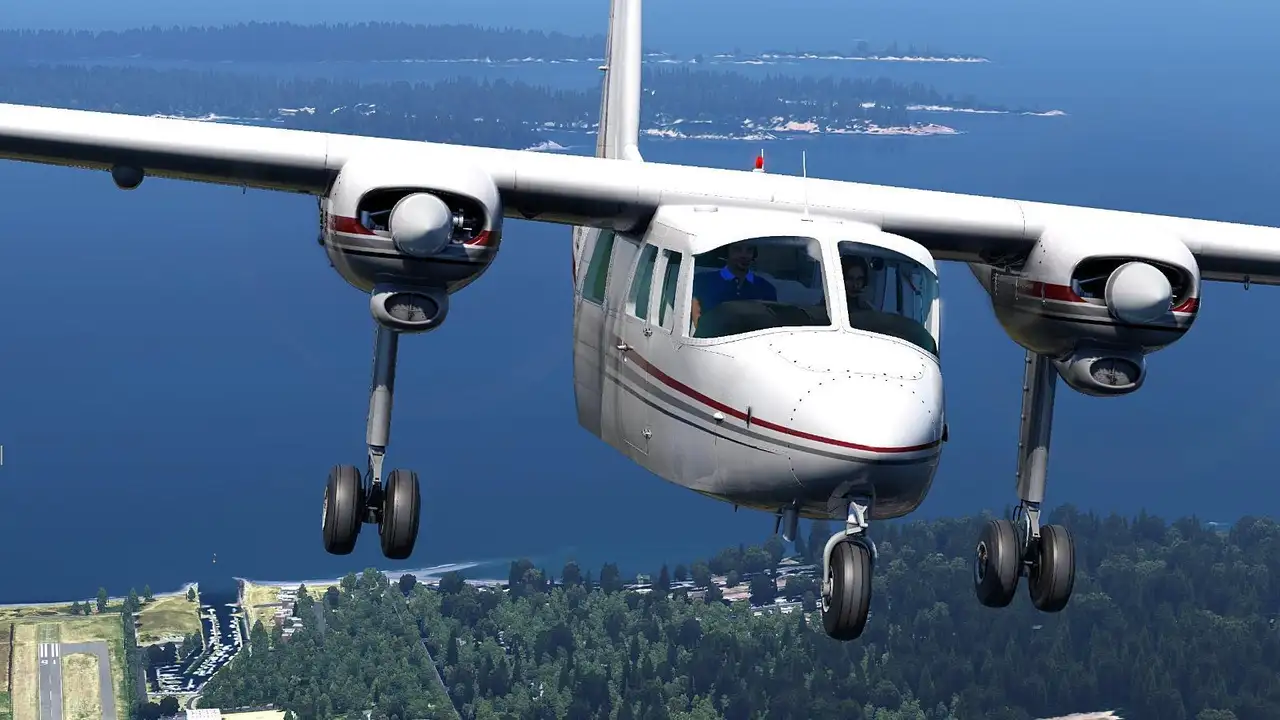
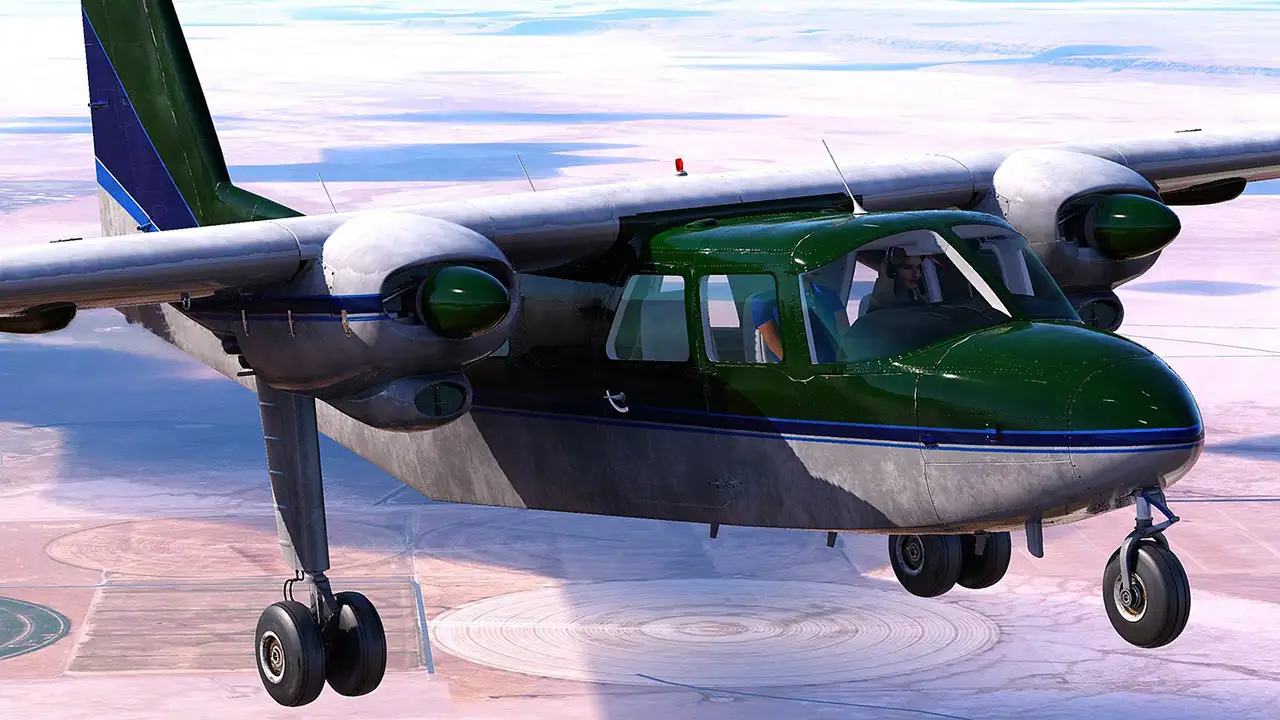
The Britten-Norman BN-2A Islander (universally recognized across regional commuter routes, archipelago airfields, and simulation hangars as the BN-2, BN-2A, BN2, Islander, and Thranda Islander) is widely regarded as one of the most successful light twin-engine utility airframes in civil aviation history. Conceived in the mid-1960s on the Isle of Wight by John Britten and Desmond Norman, the Islander was designed from the ground up for uncompromised STOL utility: fixed rugged tricycle gear, a slab-sided rectangular fuselage with individual row entry doors rather than a central aisle, and high-lift rectangular wings powered by twin Lycoming O-540 flat-six engines. Developed natively for X-Plane 12 by Thranda Design under their Dynamic Generation Series (DGS), this package pairs the beloved British island-hopper with modern panel modularity and tactile cockpit systems.
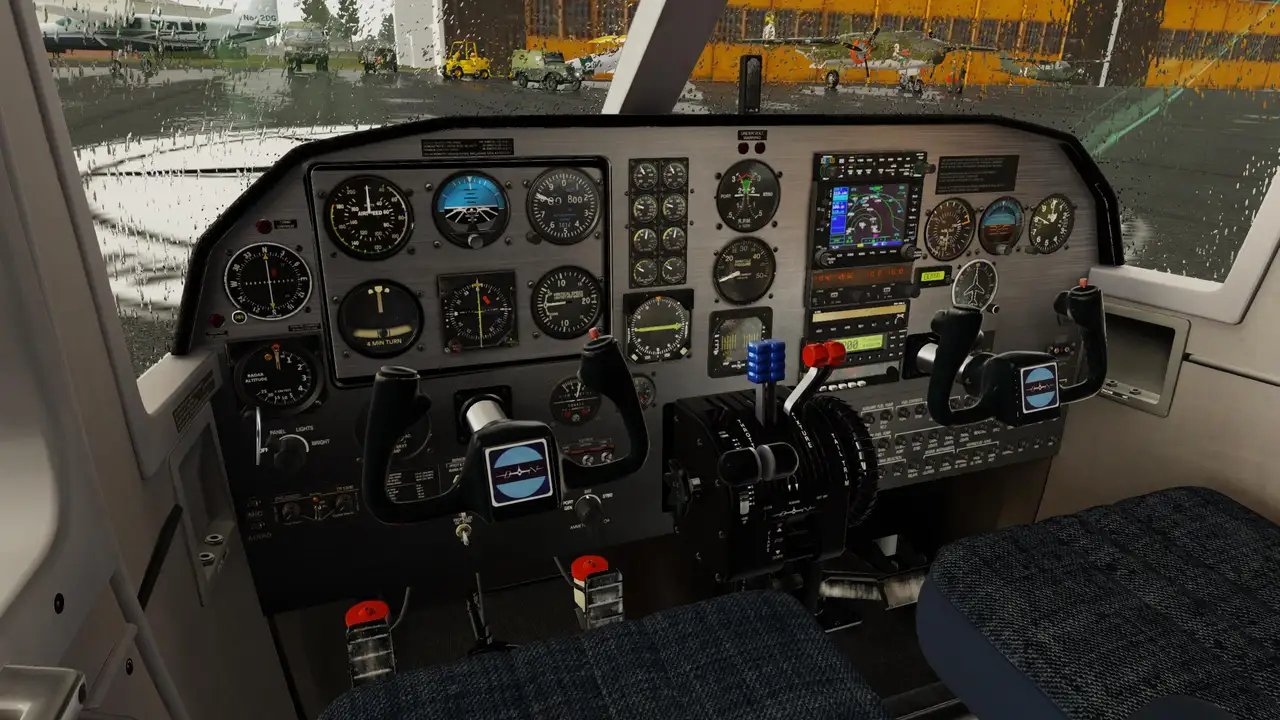
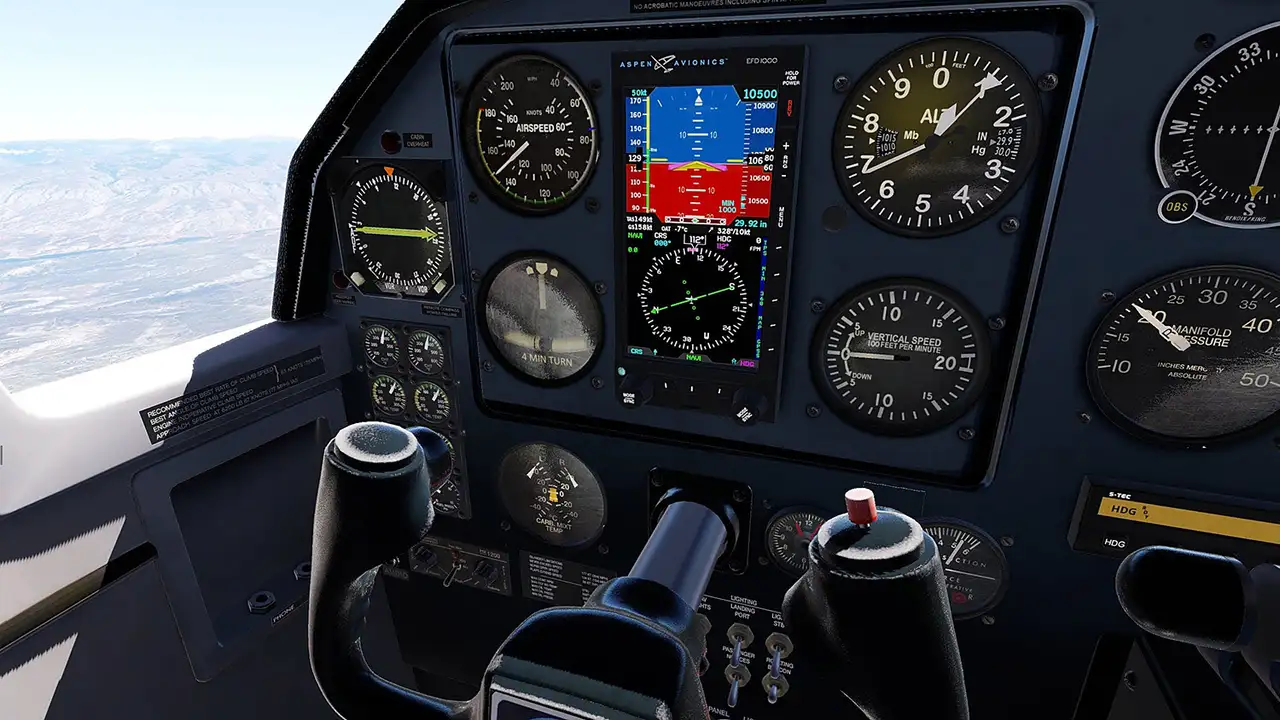
For simmers who value procedural depth, this release marks a decisive step beyond purely cosmetic panels: Thranda has implemented functional, individual push/pull circuit breakers across the electrical board, enabling authentic checklist fault isolation and emergency electrical load shedding. The cockpit incorporates Thranda’s signature modular 3D instrument panel technology, offering over 50 individual instruments that can be dragged, swapped, or saved across presets in real time. Pilots can configure traditional twin-engine analog six-pack layouts, mount an Aspen EFD 1000 electronic flight display, or integrate Garmin GNS 430/530 units and third-party Reality XP GTN navigators. Airframe adaptability is further enhanced by optional pneumatic wing de-ice boots, convex observer bubble windows, and oversized backcountry tundra tires.
In the X-Plane 12 flight environment, the Islander delivers the stable, high-lift STOL flight characteristics that made it famous on routes like Scotland’s Orkney Islands shuttle (home to the world's shortest scheduled flight between Westray and Papa Westray) and Caribbean inter-island hops. With its thick airfoil and generous flap surfaces, rotation occurs around 60 knots, and the aircraft settles into an honest 130 to 140 KTAS cruise. Multi-engine handling is faithful to type: losing an engine demands prompt rudder trim, zero-sideslip coordination, and disciplined feathering drills to preserve climb performance. Evaluated under our directory classification rubric, the simulation earns a solid Procedural tier: its functional circuit breaker architecture, twin-engine asymmetric aerodynamics, and dynamic livery customization deliver an authentic, high-utility regional twin for XP12.
Primary Missions & Operational Roles
-
Archipelago & Island-Hopping Commuter Flights: Operating multi-leg passenger and mail hops across coastal archipelagos, connecting regional hubs with isolated island communities.
-
Austere STOL & Unimproved Strip Operations: Landing and taking off from grass airfields, beaches, and tight short-field clearings under 1,000 feet of ground roll.
-
Multi-Engine Piston Training & Asymmetric Drills: Practicing engine-out feathering, minimum controllable airspeed ($V_{MC}$) management, single-engine drift-downs, and coupled single-engine approaches.
-
Specialized Backcountry & Aerial Survey Work: Flying aerial photography, wildlife survey, and cargo delivery sorties utilizing optional tundra tires and bubble observation windows.
Key Highlights
- Dynamic modular instrument panel allowing pilots to position, drag, and calibrate over 50 individual analog and digital gauges (including Aspen EFD 1000 and Reality XP GTN support).
- Features functional, individual push/pull circuit breakers across the electrical panel for authentic abnormal drills.
- Authentic twin-engine STOL performance curves modeling short ground rolls, slow approach speeds, and asymmetric single-engine feathering physics.
- Airframe equipment versatility, including selectable tundra tires, convex bubble observation windows, and operational de-ice boots.
- In-sim dynamic livery editor and PBR material manager for real-time paint customization, dirt/scratch adjustments, and dynamic tail numbers.
- Cockpit tablet EFB featuring weight & balance loading calculators, AviTab moving-map integration, and DynaFeel control resistance tuning.
Quirks & Limitations
- Fixed landing gear, robust structure, and high-lift wing profile produce substantial parasite drag, limiting high-altitude cruise speed to roughly 130–140 KTAS.
- Swapping between default Garmin GNS 430 and GNS 530 GPS stacks requires an aircraft reload due to core simulator dataref constraints.
- Single-engine ceiling and climb gradient drop dramatically at gross weight or high density altitudes, demanding immediate prop feathering on engine failure.
- High-density 8K PBR exterior and interior textures can introduce video memory (VRAM) pressure when paired with complex airport and orthophoto scenery.
- Does not support automated direct SimBrief OFP flight plan uplink.
Community Ratings & Feedback
Want to rate this flight deck or leave a review? Log In or Create an FSS Account to post your review.
Be the first simmer to leave a flight deck review and community score for this airframe.
Systems & Integrations
Video Showcases
Help Improve the Directory
Notice missing details, broken links, or incorrect pricing? Submit a correction to our Hangar Mods.
Suggest an Update