
Cessna 172M Skyhawk
Media Gallery
Editorial Overview & Systems Analysis
6. Editorial Review & Analysis
Editorial Overview
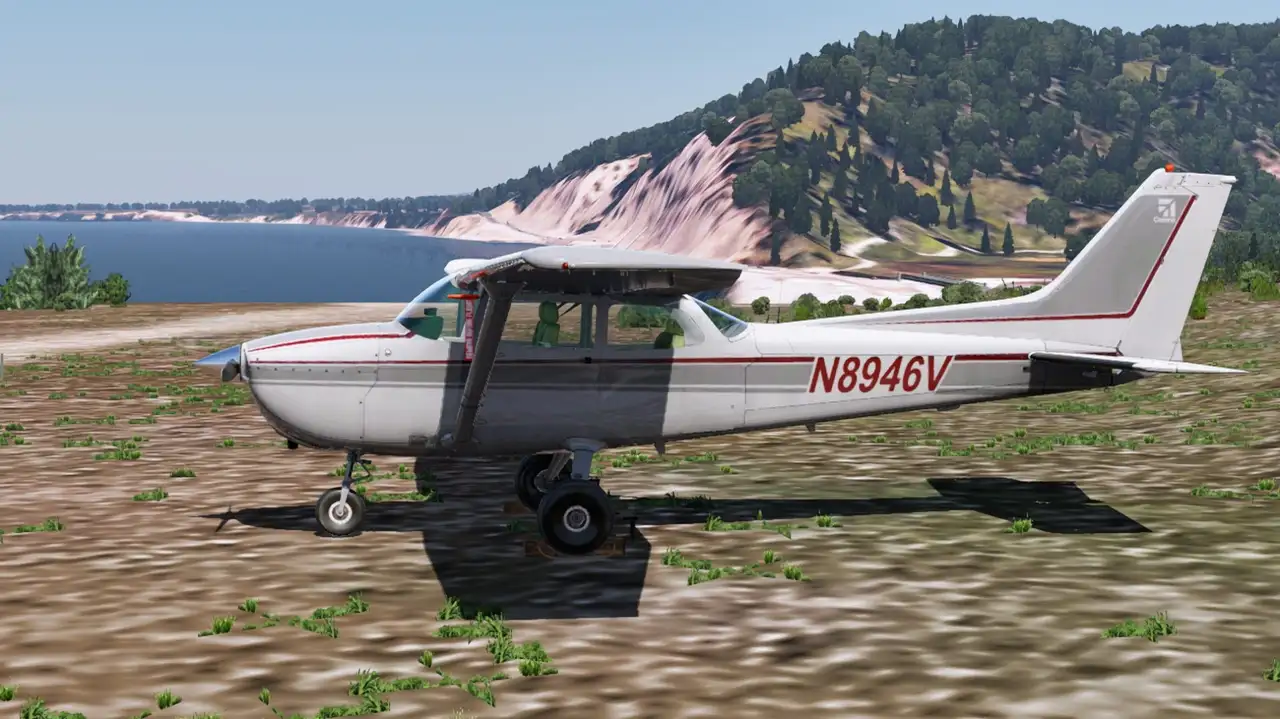
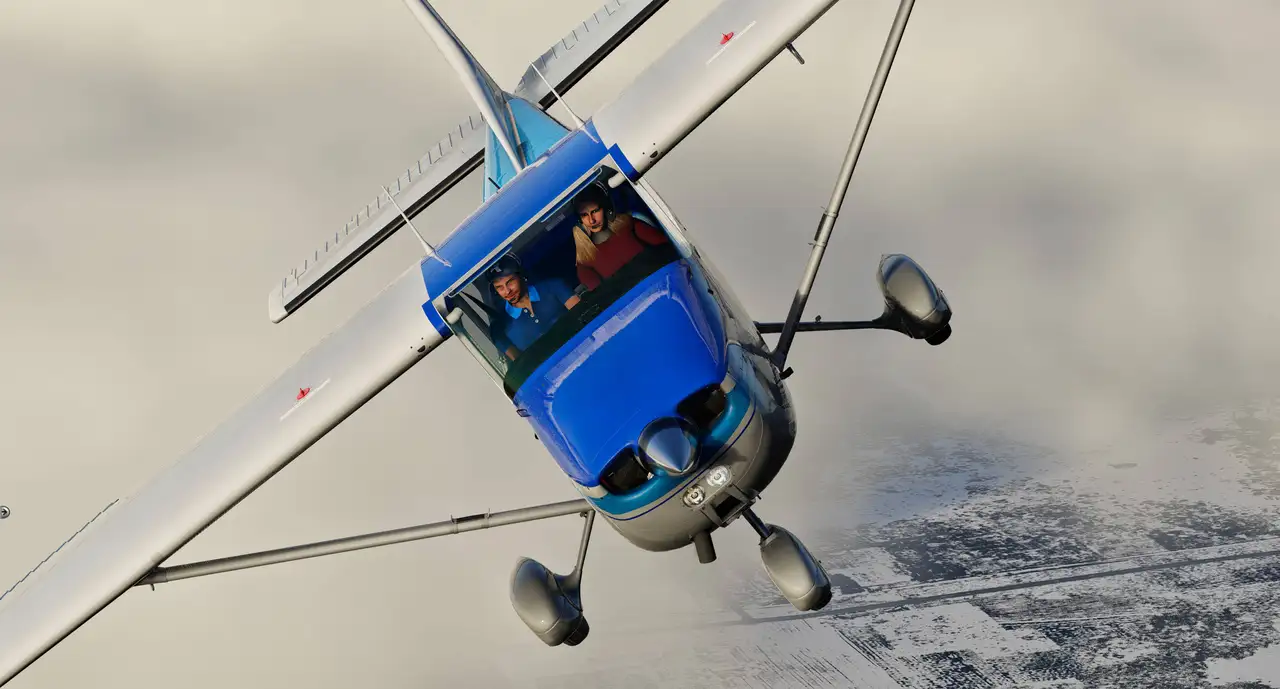
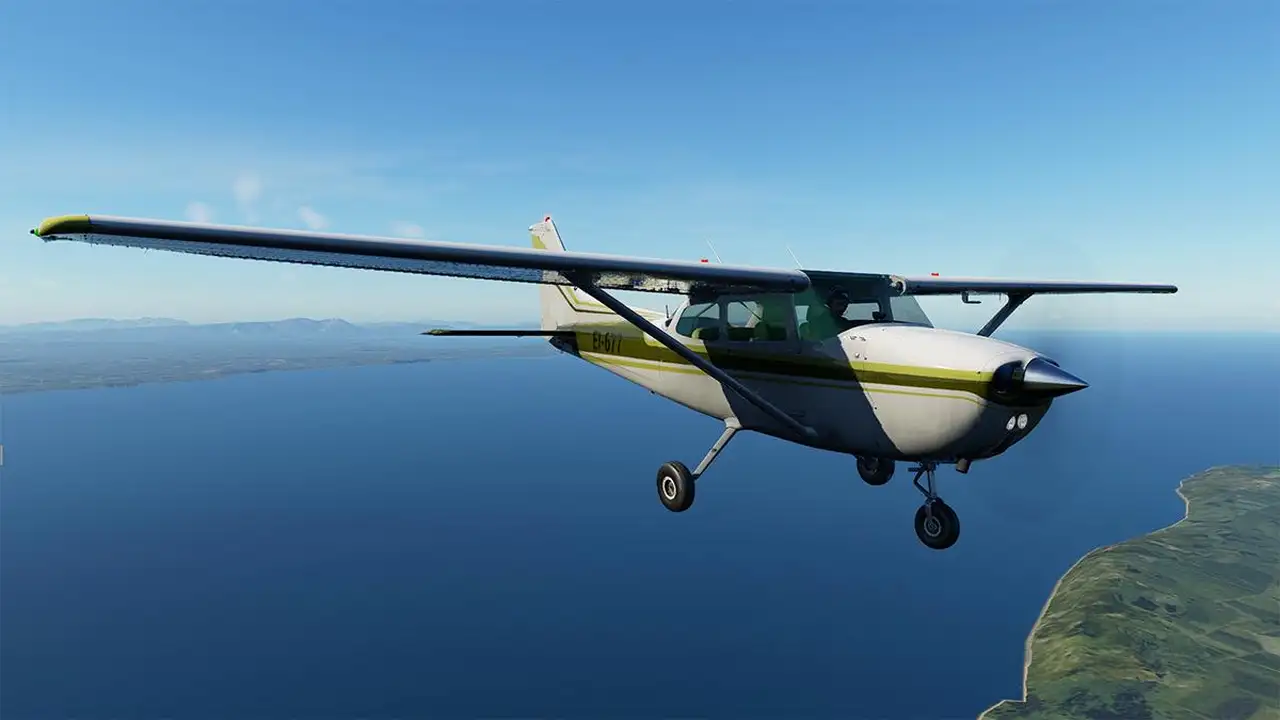
The Cessna 172M Skyhawk (universally cataloged across worldwide flight training academies, municipal ramps, and simulation hangars as the C172, C-172, 172M, Skyhawk, and Thranda 172) documents the definitive mid-1970s generation of the most produced civil aircraft in aviation history. Produced between 1973 and 1976, the "M" model achieved legendary status by introducing Cessna’s drooped "camber-lift" wing leading edge—drastically improving low-speed stall manners and slow-flight lateral control—paired with the bulletproof 150-horsepower Lycoming O-320-E2D carbureted engine. Developed natively for X-Plane 12 by Thranda Design as part of their proprietary Dynamic Generation Series (DGS), this package transforms the ubiquitous training single into an adaptable, multi-configuration desktop simulation.
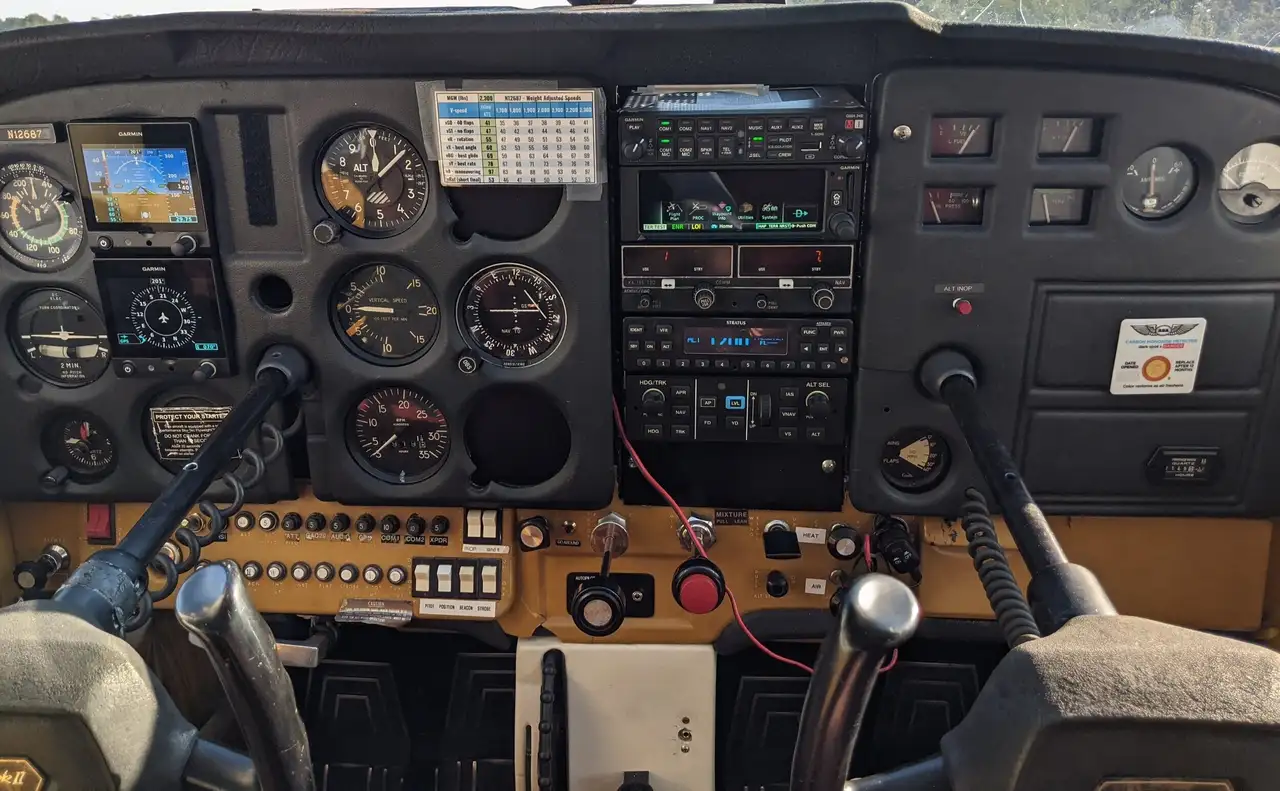
Central to Thranda's rendition is their signature modular 3D instrument panel. Simmers are not confined to a single static cockpit era; the package includes over 50 individual flight instruments that can be freely dragged, swapped, or saved across custom presets. Pilots can configure period-authentic round-dial training layouts, swap between vintage and modern control yoke designs, mount an Aspen EFD 1000 primary glass display, or integrate Garmin GNS 430/530 units and third-party Reality XP GTN navigators. Crucially, the cockpit electrical panel features individual, functional circuit breakers that can be pulled to isolate sub-circuits for authentic checklist emergency drills. Beyond the tricycle gear configuration, Thranda ships dedicated straight-float and amphibious-float models, complete with functional water rudders.
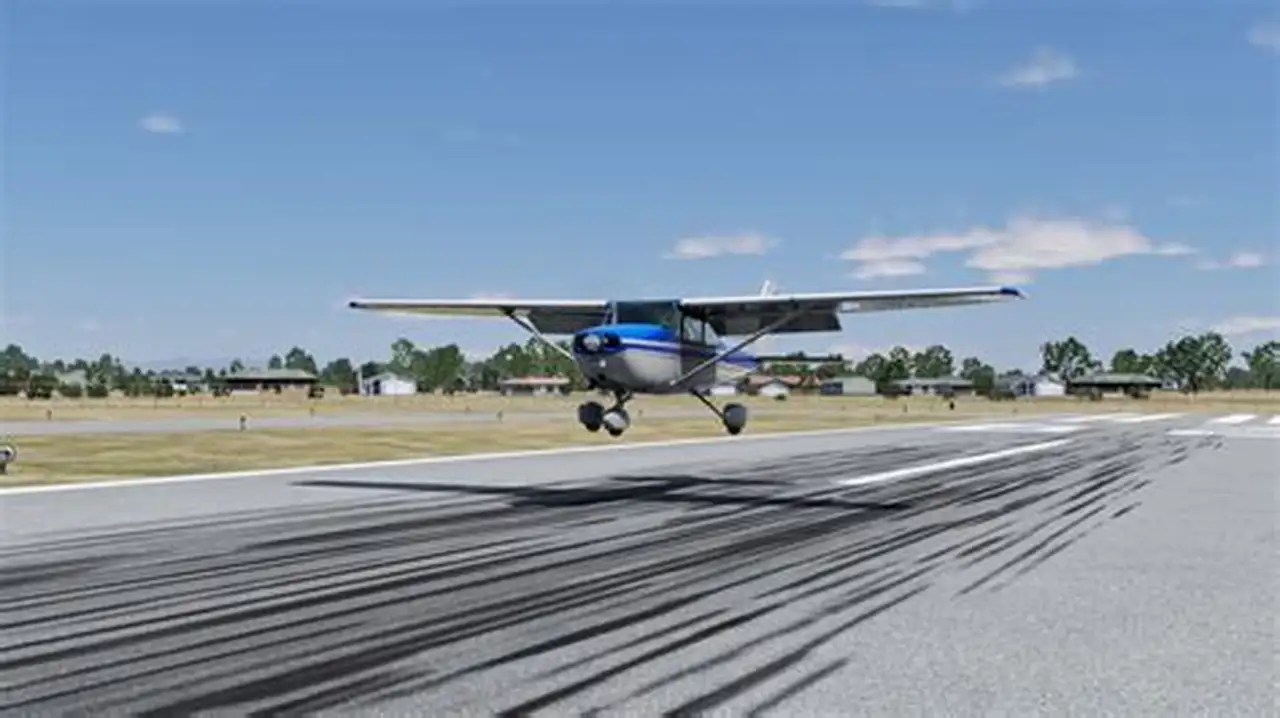
In the X-Plane 12 flight environment, the 172M delivers the docile, pitch-stable handling that has guided generations of student pilots through their first solo flights. The 150-horsepower Lycoming engine produces realistic climb gradients, settling into an honest 105 to 115 KTAS cruise. Hand-flying in the pattern captures authentic high-wing stability, while Thranda’s tablet-based "DynaFeel" utility dynamically calculates airspeed-sensitive control surface resistance. Evaluated under our directory rubric, the package earns a solid Procedural tier: while deep internal thermodynamic oil wear is abstracted behind core simulator logic, its functional circuit breaker architecture, multi-gear adaptability, and dynamic livery paint shop deliver a standout vintage Skyhawk experience for XP12.
Primary Missions & Operational Roles
-
Grassroots Ab-Initio & Instrument Flight Training: Practicing private pilot maneuvers, slow flight, pattern work, crosswind landings, and coupled VOR/ILS instrument approaches.
-
Lake & Seaplane Amphibious Touring: Operating off alpine lakes, coastal waterways, and tarmac runways using the straight-float and amphibious-float airframe variants.
-
Classic 1970s Cross-Country VFR Pilotage: Cruising between 3,500 and 7,500 feet MSL at 110 KTAS across 300 to 500 nautical mile visual cross-country routes.
-
Electrical Malfunction & Systems Troubleshooting: Pulling functional circuit breakers to simulate in-flight electrical shedding, flap motor failures, and navigation radio outages.
Key Highlights
- Dynamic modular instrument panel allowing pilots to position, drag, and calibrate over 50 analog and digital gauges (including Aspen EFD 1000 and Reality XP GTN support).
- Features functional, individual push/pull circuit breakers across the electrical panel for procedural abnormal procedures.
- Includes multiple operational landing configurations: standard tricycle landing gear, straight floats, and amphibious floats with functional water rudders.
- Highly detailed 3D modeling of the Lycoming O-320-E2D engine, accompanied by dynamic cool-down ticking sounds and thermal acoustic behavior.
- In-sim dynamic livery editor and PBR material manager for real-time paint customization, dirt/scratch adjustments, and dynamic tail numbers.
- Feature-rich cockpit tablet featuring weight & balance loading calculators, AviTab moving-map integration, and DynaFeel control resistance tuning.
Quirks & Limitations
- Swapping between default Garmin GNS 430 and GNS 530 GPS stacks requires an aircraft reload due to core simulator dataref constraints.
- Float and amphibious variants exhibit noticeable aerodynamic drag, reducing cruise speeds to roughly 95 to 100 KTAS and demanding flatter climb profiles.
- High-density 8K PBR exterior and interior textures can introduce video memory (VRAM) pressure when paired with heavy orthophoto scenery.
- Does not support automated direct SimBrief OFP flight plan uplink.
Community Ratings & Feedback
Want to rate this flight deck or leave a review? Log In or Create an FSS Account to post your review.
Be the first simmer to leave a flight deck review and community score for this airframe.
Systems & Integrations
Video Showcases
Help Improve the Directory
Notice missing details, broken links, or incorrect pricing? Submit a correction to our Hangar Mods.
Suggest an Update