
Let L-410 Turbolet
Editorial Overview & Systems Analysis
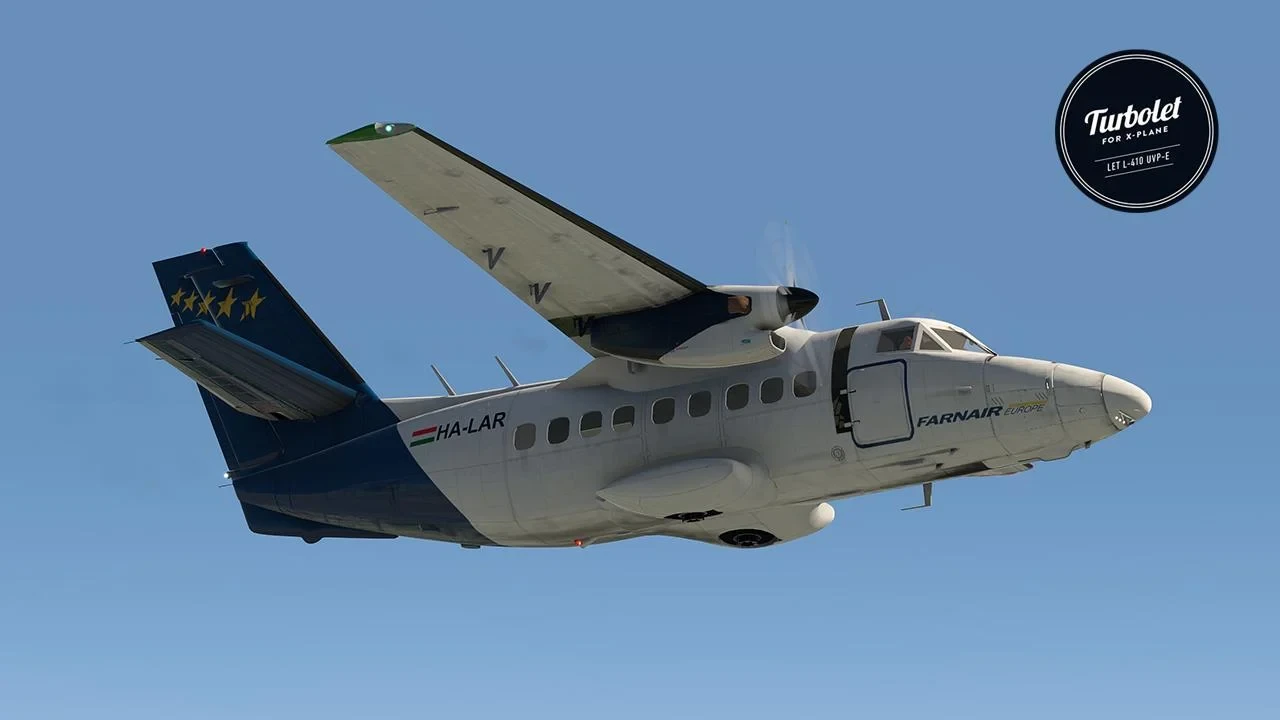
The Let L-410 Turbolet (widely searched across flight simulation communities as the L-410, L410, Turbolet, Let 410, and ksgy Turbolet) is the quintessential Eastern European rugged utility commuter. Developed in the former Czechoslovakia by Let Kunovice to operate out of unimproved grass clearings, snow-covered Siberian runways, and hot, high-altitude strips, more than 1,200 airframes were built for short-haul passenger and cargo missions. Hungarian developer ksgy dedicated over six years of independent development to bring this twin-turboprop workhorse to life in X-Plane, recently releasing an official overhaul specifically updated for X-Plane 12.
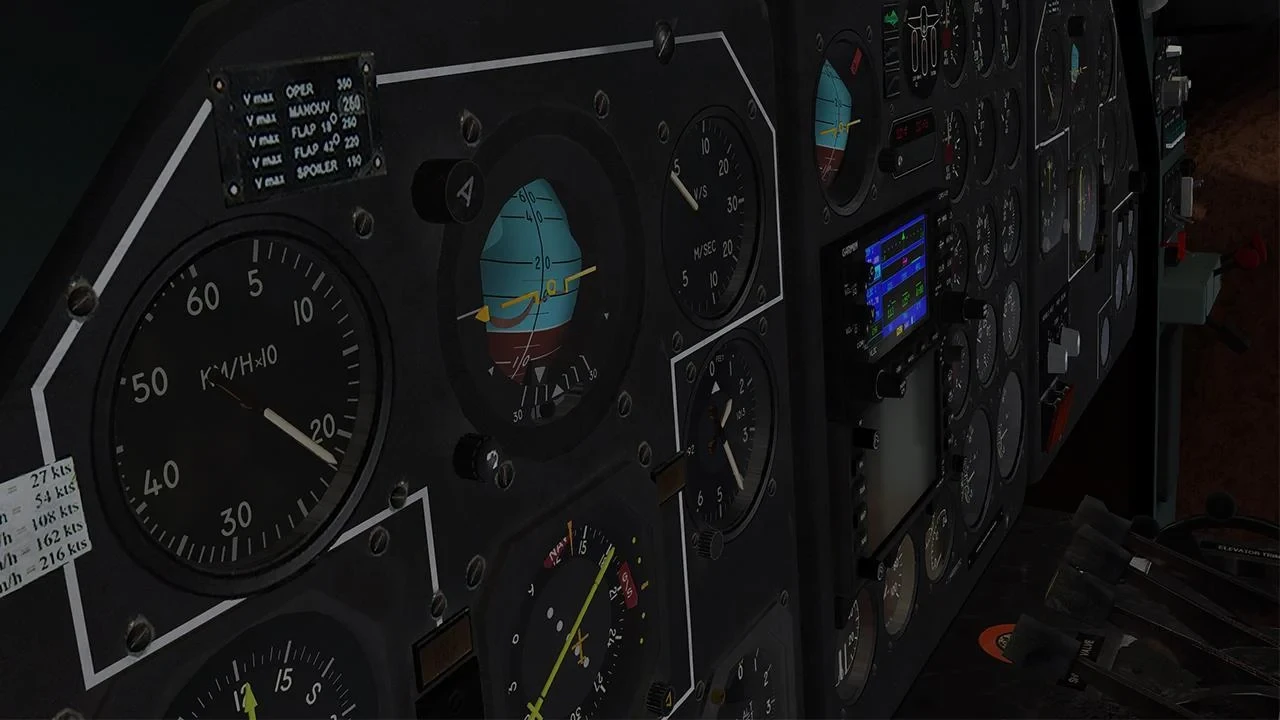
The flight deck offers an authentic blend of Soviet-era engineering and modernized commuter avionics. Pilots sit inside a spacious 3D flight deck fitted with authentic metric gauges alongside standard Western imperial subpanels, allowing either traditional VOR-to-VOR dead reckoning or point-to-point RNAV navigation using an integrated Garmin GPS. Systems logic is powered by custom SASL scripting that replicates the unique Walter M601 turboprop startup procedures, low-pitch prop warnings, and pneumatic de-icing boots. The project ships in both 19-seat passenger and stripped-down cargo configurations, featuring working rear clamshell doors and animated crew models that automatically respond to payload station adjustments.
In X-Plane 12, the L-410 Turbolet handles with the heavy, stable authority of an unpressurized utility transport. Its large high-aspect wing and double-slotted trailing-edge flaps provide genuine STOL performance, allowing fully loaded departures and arrivals on strips under 2,000 feet. Powered by twin Walter M601 turboprops driving Avia five-bladed propellers, the aircraft cruises comfortably between 170 and 190 KTAS at 10,000 to 14,000 feet. Managing power requires careful attention to torque limits and propeller RPM, particularly on landing rollout where reverse pitch must be modulated carefully to avoid asymmetrical ground swings on unpaved turf runways.
Primary Missions & Operational Roles
-
Remote Regional Commuter Routes: Flying 19-passenger regional hops connecting remote European, African, and South American island or mountain communities across 250 to 500 nautical mile legs.
-
Rough-Strip & Unimproved STOL Cargo Drops: Operating into unimproved dirt, grass, and gravel airfields with heavy cargo loads, utilizing rugged trailing-link landing gear and reverse thrust.
-
Twin-Turboprop Regional Airline Transition: Transitioning from light piston twins into high-inertia multi-engine turboprop procedures and non-precision approach navigation.
-
Parachute Jump & Skydiving Sorties: Simulating high-turnaround skydiving drops, climbing quickly to 12,000 feet and executing rapid descents back to the airfield with gear and flaps deployed.
Key Highlights
- Payware-Grade Visuals at Zero Cost: High-resolution 3D cockpit and exterior modeling, working cargo doors, detailed landing gear mechanics, and authentic regional liveries.
- Authentic Walter M601 Turboprop Modeling: Features custom startup sequences, realistic spool-up lag, and authentic beta/reverse pitch mechanics.
- Exceptional STOL Short-Field Capabilities: High-lift wing and double-slotted flap design allow reliable operations out of runways shorter than 2,000 feet.
- Native XP12 Flight Model & Manipulators: Updated specifically for X-Plane 12 with native cockpit manipulators, wet runway tire friction, and refined aerodynamic lift equations.
- Passenger & Freight Variants Included: Offers both passenger cabin and heavy utility freight cabin layouts with dynamic payload-sensitive crew animations.
Quirks & Limitations
- Legacy Audio Engine: Uses classic multi-track sound files rather than a native modern FMOD2 spatial sound engine; acoustic changes inside the cabin are less dynamic than newer payware releases.
- X-FMC Plugin Incompatibility: Incompatible with the third-party X-FMC plugin; running both simultaneously can induce severe frame drops or simulator freezes.
- Unpressurized High-Altitude Ceiling: The unpressurized airframe restricts practical operational cruising to 14,000 feet and below without continuous supplemental oxygen.
- Ground Steering Sensitivity in Strong Crosswinds: The tall slab-sided fuselage acts as a wind vane during rollout, requiring active rudder pedal and differential braking work on narrow runways.
Community Ratings & Feedback
Want to rate this flight deck or leave a review? Log In or Create an FSS Account to post your review.
Be the first simmer to leave a flight deck review and community score for this airframe.
Purchase & Download
X-Plane.org DownloadsSystems & Integrations
Video Showcases
Help Improve the Directory
Notice missing details, broken links, or incorrect pricing? Submit a correction to our Hangar Mods.
Suggest an Update